Connections to Prior Knowledge
-
Mailbag Jan 26, 2019
-
Retaining Information
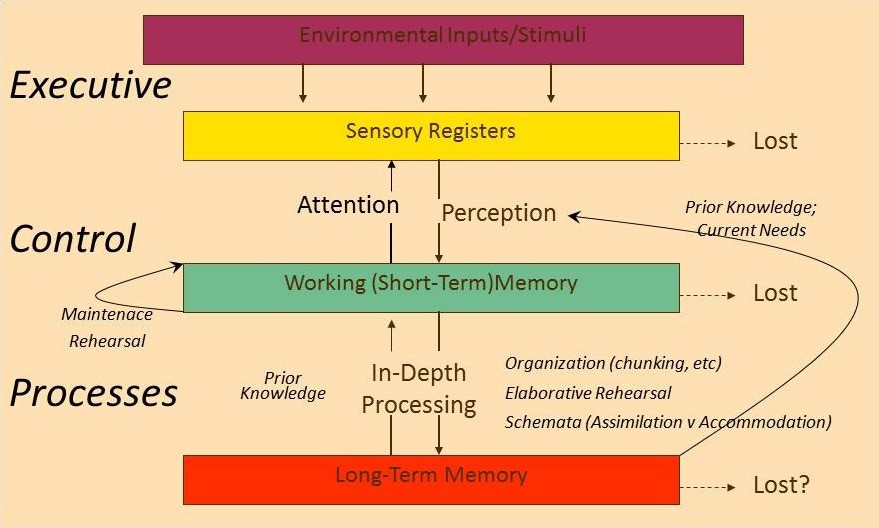
Below is a model for information processing (retention and retrieval). Here are a couple key points I want to highlight: A lot of information is filtered out so what gets through? Information that is interesting or relevant. Information that is connected to prior knowledge, is relevant or that is organized has a better change of…
-
Introduction to Solving Equations
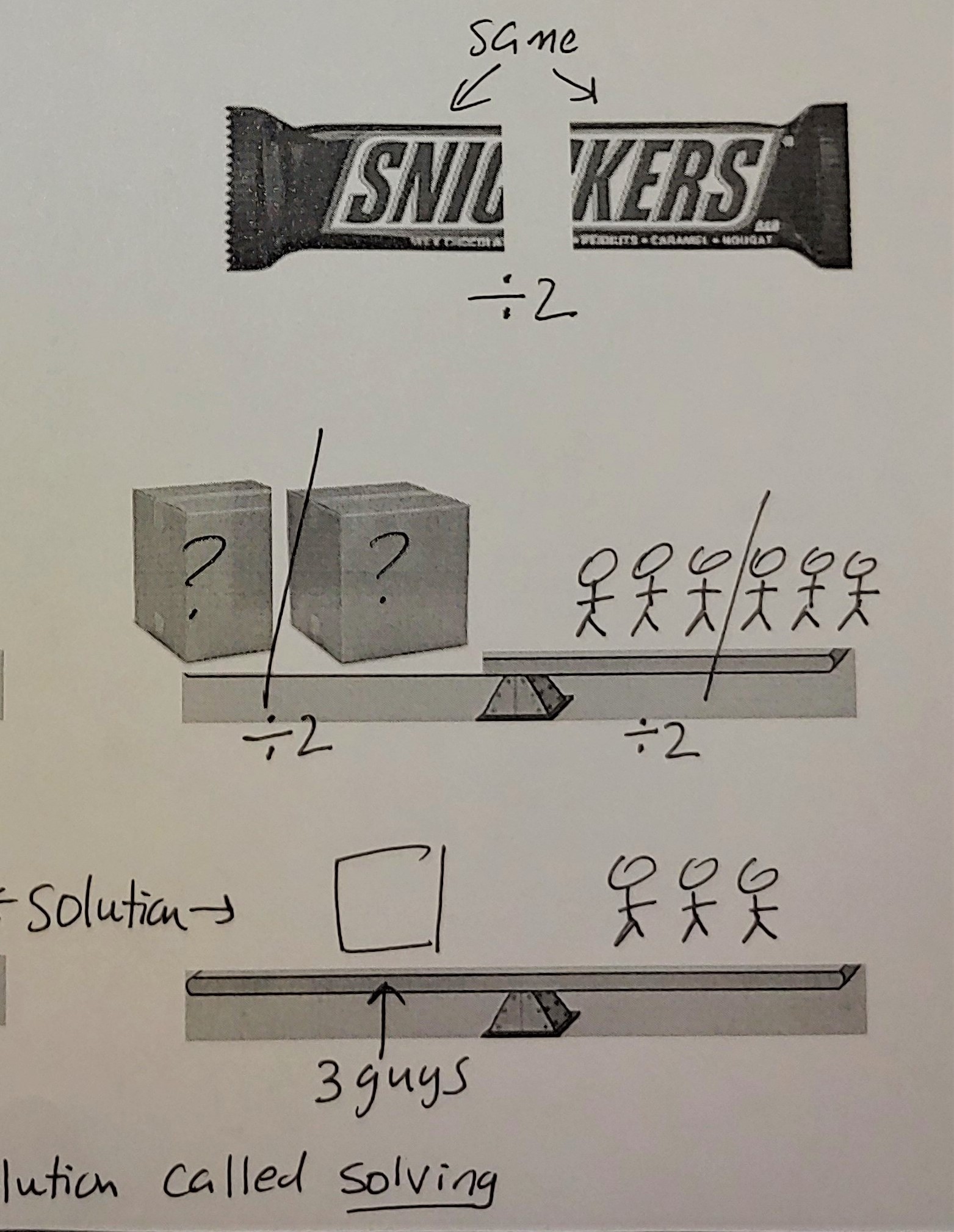
I introduce solving equations by building off of the visual presentation used to introduce equations. The two photos below show an example of handouts I use. Below these two photos I offer an explanation of how I use these handouts. First I develop an understanding of a balanced equation vis-a-vis an unbalance equation using the…
-
Trick for subtracting integers

I have algebra students, in high school and college, who struggle with evaluating expressions like 2 – 5. This is a ubiquitous problem. I have tried several strategies and the one that is easily the most effective is shown below. When a student is stuck on 2 – 5 the following routine plays out like…
-
Example of Using Support Class to Support Current Math Content

I have posted on how to effectively provide support for current math topics. Here is an example (below) of how support can focus on both the current topic and prerequisite skills. For example, on the 22nd in this calendar the current topic is solving equations. The steps for solving will include simplifying expressions and may involve…
-
Basic Skills Older Students
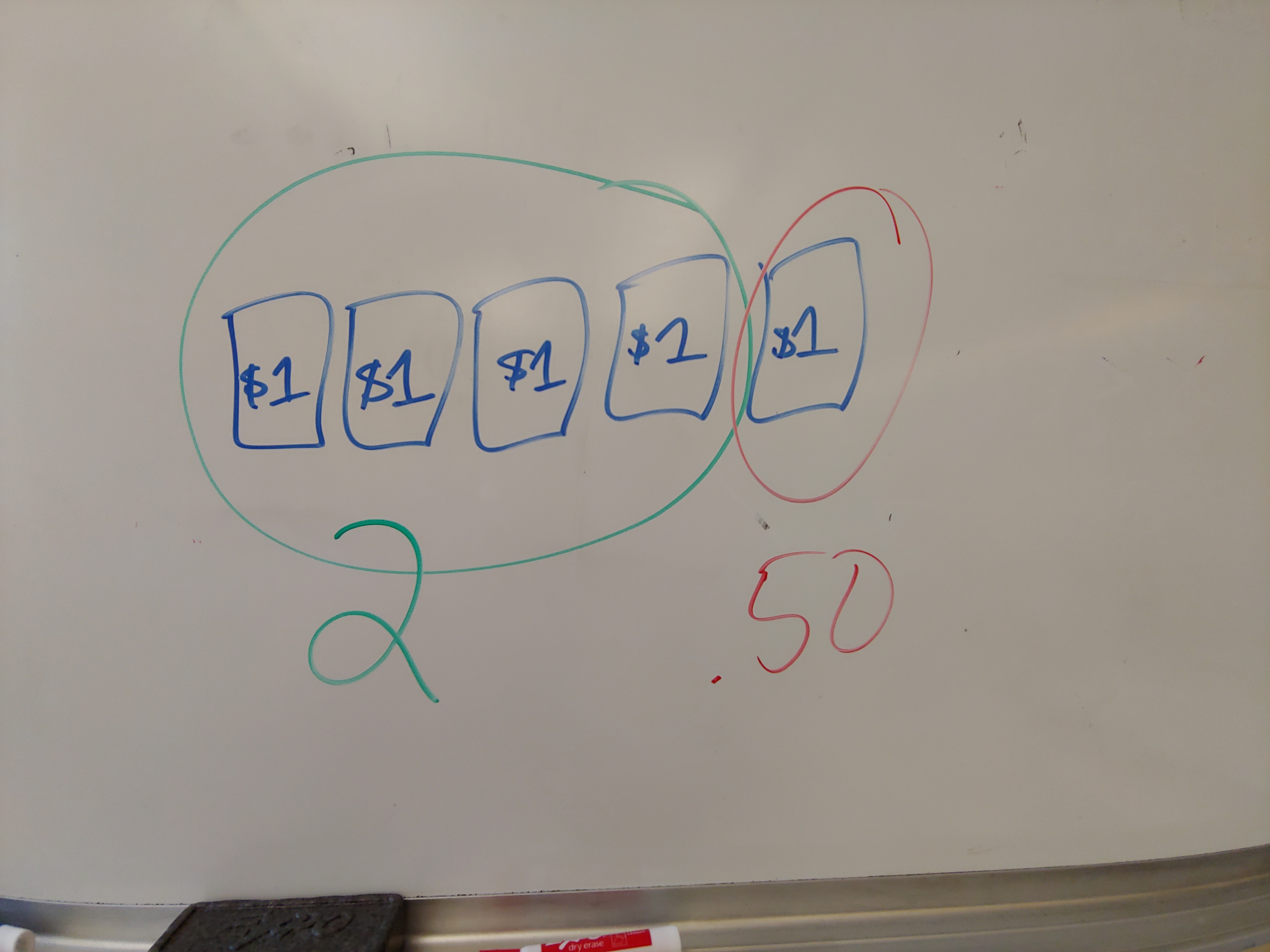
A widespread problem at the secondary level is addressing basic skills deficiencies – gaps from elementary school. For example, I often encounter students in algebra 1 or even higher level math who cannot compute problems like 5÷2. Often the challenges arise from learned helplessness developed over time. How do we address this in the time…
-
Introduction to Imaginary Numbers

-
Juggling Gaps and New Content

In math, many students with special needs fall behind. What results is a Catch-22 in programming and services. If the student is provided extra time to work on the gaps, he or she likely falls behind with current content. If the student is provided extra time to receive support for current topics, the gaps are not…
-
Congruent Triangles
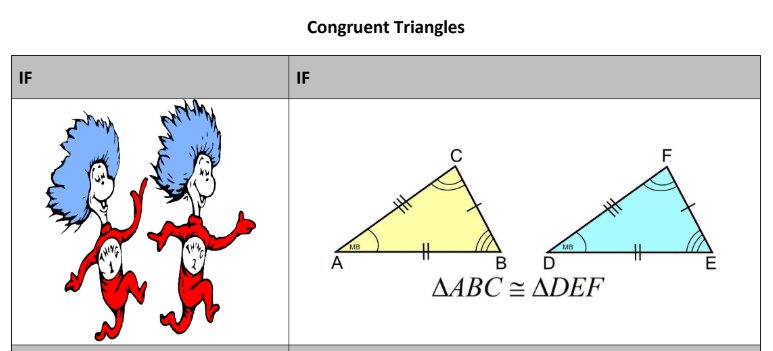
As Piaget highlighted, our brains make connections between new information and previous information (prior knowledge). I introduce the concept of congruent triangles by connecting it to prior knowledge of identical twins (photo above). This connection is carried throughout the chapter. For example, to show triangles are congruent we look at parts of the triangle, just…
-
Function Notation for Algebra
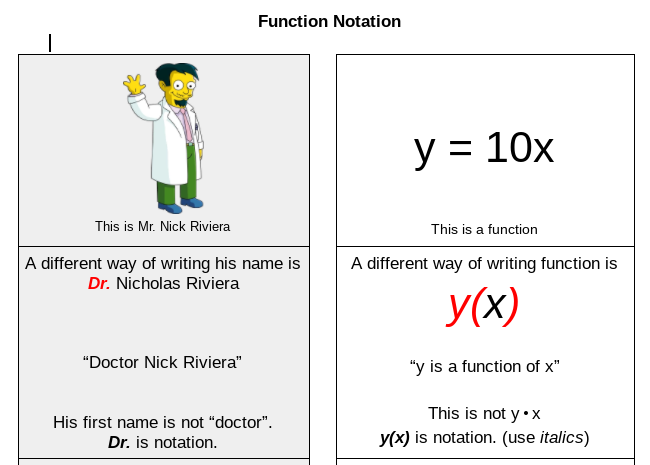
Below is a video of a lesson I recorded on function notation using the Explain Everything app. The lesson starts by addressing the concept of function notation by connecting it to the use of the notation “Dr.” as in Dr. Nick of Simpson’s fame. The lesson builds on prior knowledge throughout with a focus on…