Connections to Prior Knowledge
-
Prerequisites for Algebra – An Illusion

The orange circle on the right looks bigger, but in fact both are the same size. The deception is based on the additional sensory input. Similarly, the prerequisites for taking algebra are often considered to be basic skills. This is largely an illusion. I routinely encounter students who are referred to me for help as…
-
Introduction to Unit Rate using Unit Cost
-
Introduction to Unit Cost (Unit Rate)
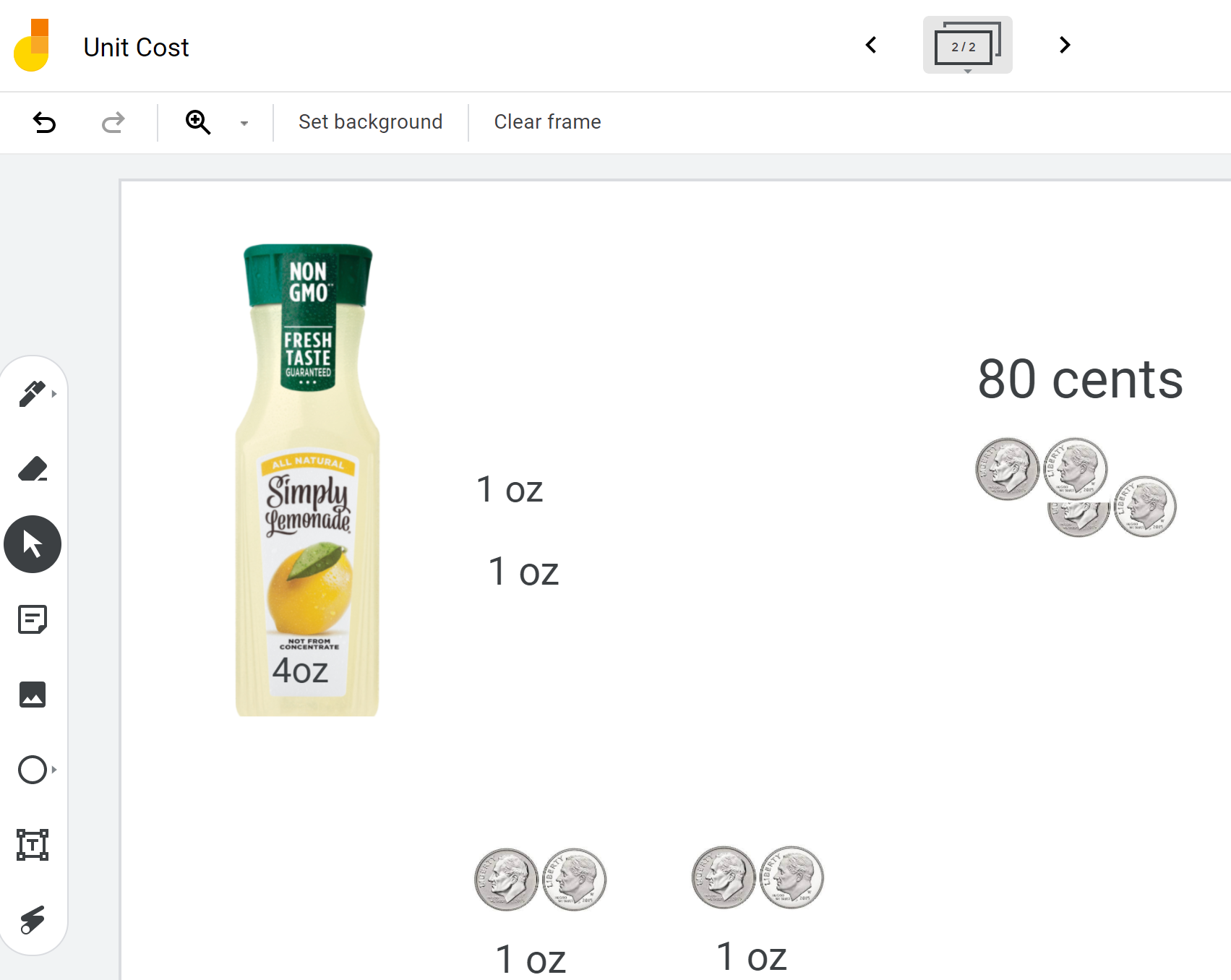
Unit rate (e.g., hamburger meat on sale for $2.39 per pound or you make $13 per hour) is an incredibly important topic in middle and high school. First, unit rates and unit costs are common in life. Second, in the Common Core State Standards math categories you can see that Ratios and Proportions (which includes…
-
Life Skills Math – Not So Easy
As I wrote previously, shopping is dense with math tasks as are grocery stores. Here are some division situations that are sneaky challenging and require a student to know when and why to divide before even reaching for the calculator. I will use these to help illustrate the fact that life skills math is not…
-
Intro to Graphing Inequalities
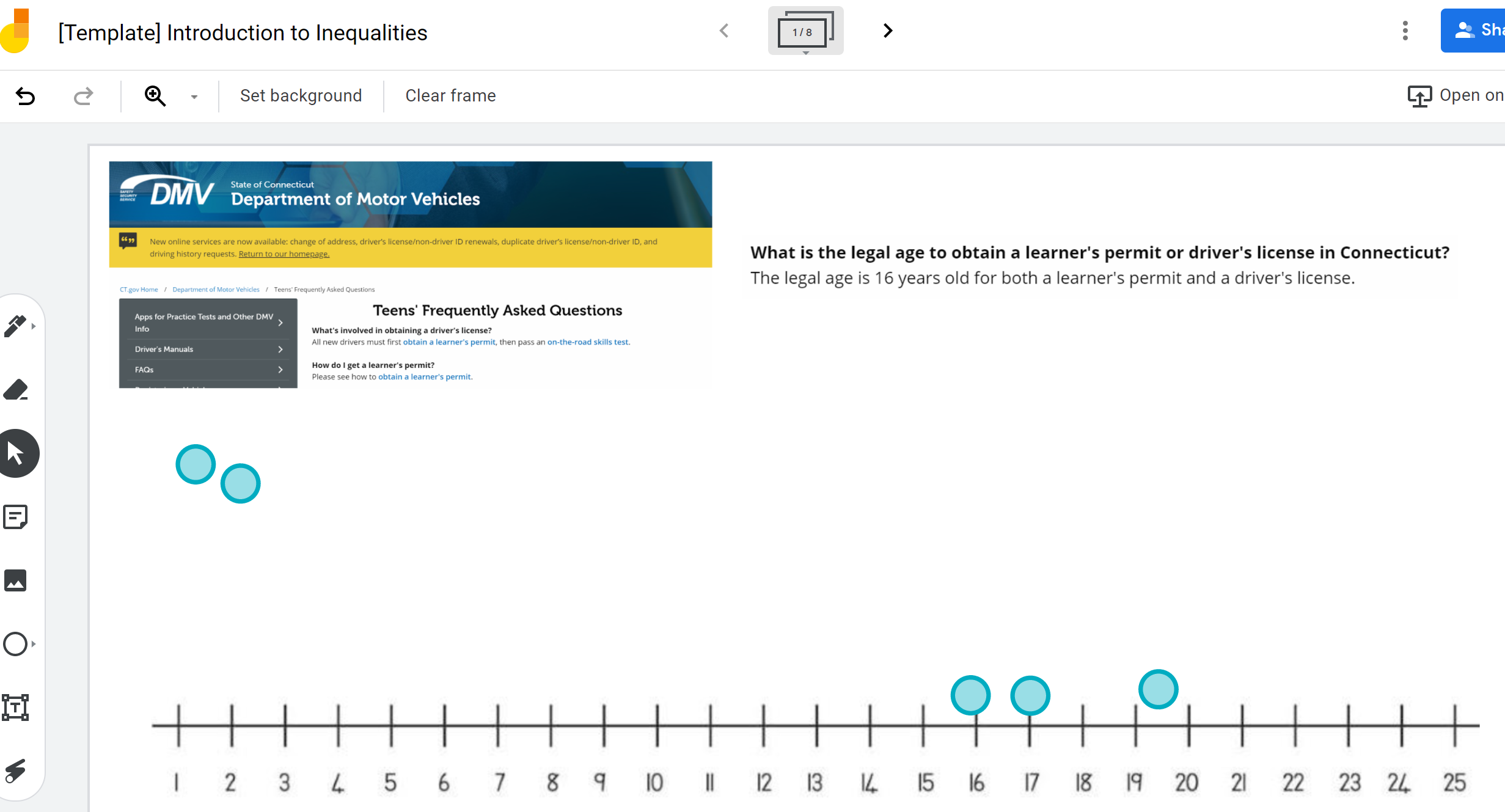
For years over many settings from middle school to college I have witnessed students struggle to make sense out of inequalities like x < 4. Not only is the concept of an inequality of an inequality challenging, merely reading the symbol is problematic. This post shows an concept based approach to making sense of inequalities.…
-
Introduction to Inequalities
For students with special needs, the teacher speaking “math” to students sounds like the teacher from the Peanuts cartoons. This is apparently the case when students are learning about inequalities such as x < 4 because I have seen many high school and college students struggle with this topic. The challenge is that teachers are…
-
Math is a Language

The Gutenberg printing press was revolutionary because it provided a faster way to share words. In turn, these words and how they were structured were representations of ideas used to make sense of the world around us. Math is a language with words and other symbols that also makes sense of the world around us.…
-
Information Processing Analogy – Big Picture
Effective instruction is effective because it addresses the key elements of how the brain processes information. I share an analogy to help adults (parents and educators) fully appreciate this. Information Processing Model Below is a model of information processing first introduced to me in a master’s course at UCONN. Here is a summary of what…
-
Counting Money as a Game
The Allowance Game is retail game tailored to students who are learning to count money. I revised it to make it more authentic and more functional. I changed some money amounts to necessitate the use of pennies (see below) I use real dollars and cents to provide more opportunities to handle real money I…
-
Making Sense of Fractions – Regrouping with Mixed Numbers
It is easy to get caught up in the steps and rote memorization when working with fractions. The brain processes information more effectively when the information is meaningful. ADHD makes paying attention to rote memorization of steps even more challenging. Below is an excerpt of work I completed with a middle school student who has…