scaffolding
-
REVISED: Scaffolded Handouts for Solving
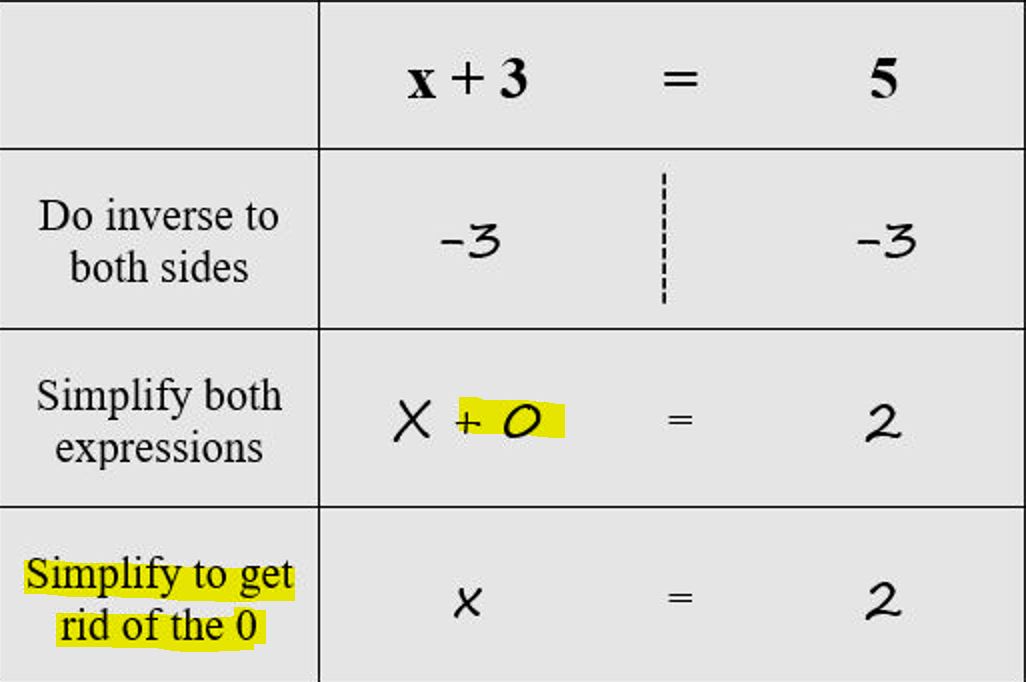
I previously posted scaffolded handouts for solving 1 step linear equations. I added a couple steps to create a new handout. In it I flesh out ALL of the steps, including identifying the inverse, the number to eliminate, simplifying the expressions to get the identity (0 or 1) and then simplifying again to eliminate the…
-
Long Division – Scaffolded Handout
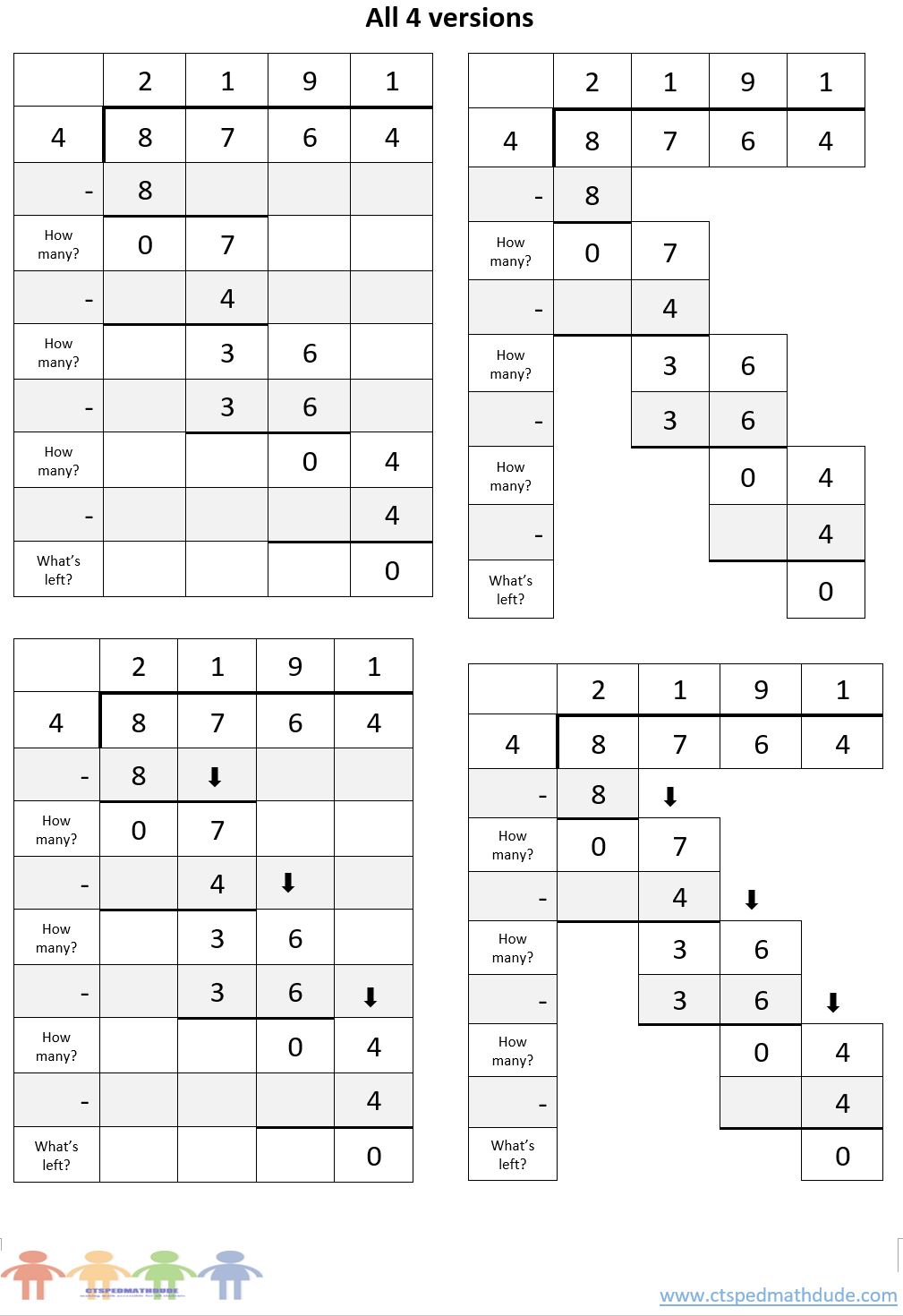
Many teachers shared that long division is one of the hardest math topics to teach. A major factor is likely related to a lack of mastery of multiplication facts. I have posted about some strategies related to multiplication. Here is a handout my initial attempt at scaffolding long division (WORD, PDF). There are 4 versions:…
-
Elapsed Time – Scaffolded Handout
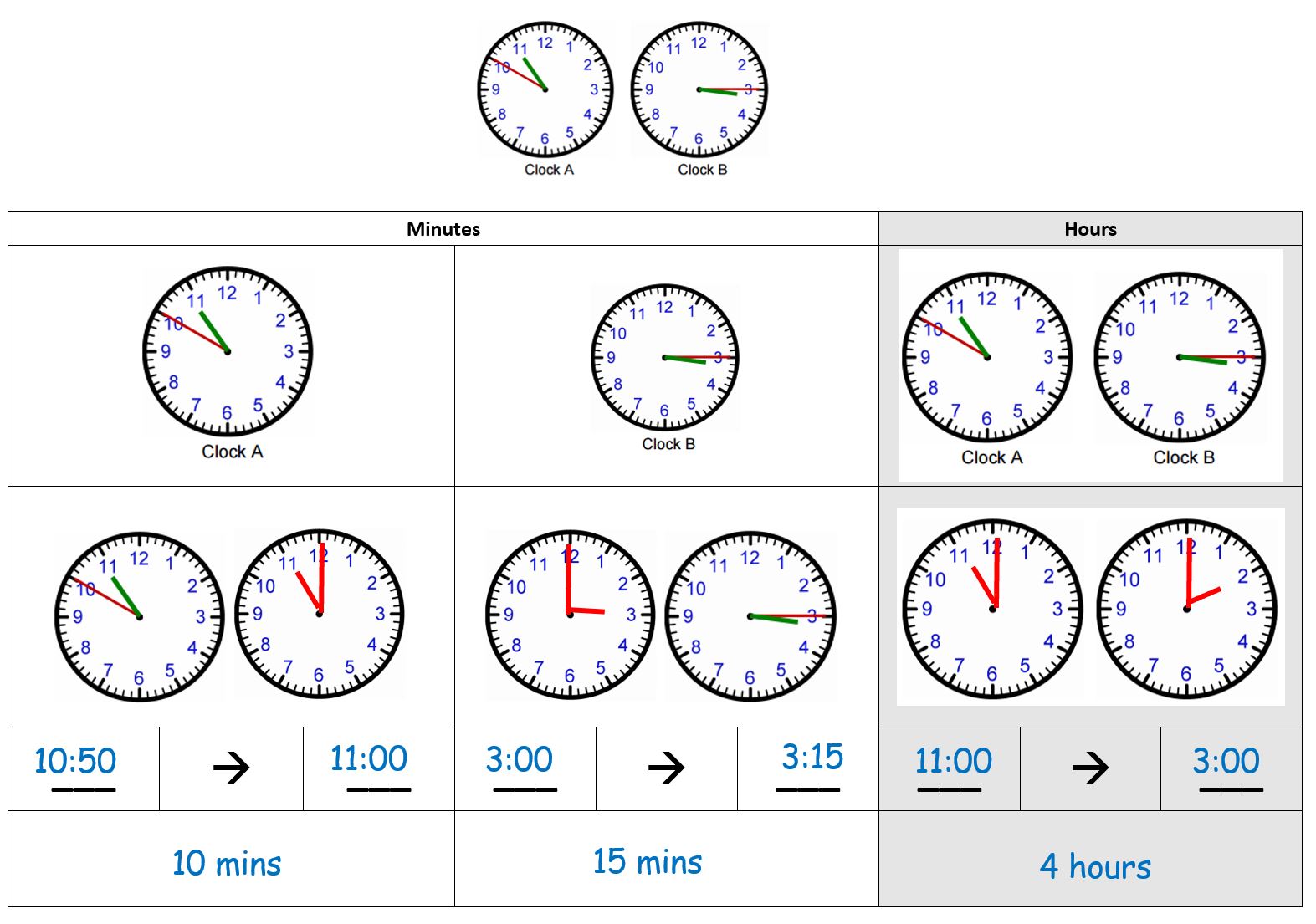
Several elementary teachers shared that elapsed time was the hardest topic to teach. Here is a scaffolded handout to help compute elapsed time. The elapsed time setting is presented with two clocks, starting and stopping time. Below is an image for one of the more advanced pages of the handout. Here is how the strategy…
-
Introduction to Key Characteristics of Graphs Using a Rollercoaster

I introduce key characteristics with parabolas and use the analogy of a rollercoaster. Riding once (and never a again) the Superman rollercoaster at Six Flags New England got me thinking about this. At one point the rollercaster hits ground level (a zero) and then goes underground (negative y values). Here is a handout I use…
-
Unpacking Graphs Using a Rollercoaster
I introduce key characteristics with parabolas and use the analogy of a rollercoaster. Riding once (and never a again) the Superman rollercoaster at Six Flags New England got me thinking about this. At one point the roller coaster hits ground level (a zero) and then goes underground (negative y values). Handout Here is a handout…
-
Intro to Linear Functions and Proportionality Equations Using Context, Tables, and Graphs.

-
Intro Linear & Proportional Relationship
This post provides a handout to introduce linear functions and proportional relationships. Multiple instructional strategies are implemented. There is context that draws upon prior knowledge, scaffolding, and visual representations. Graph and table representations of the functions are used as an entry point, without the use of equations. Overview There is a difference between proportional relationships…
-
Introduction to Intercepts – Mini-lesson with Scaffolded Section for Computing
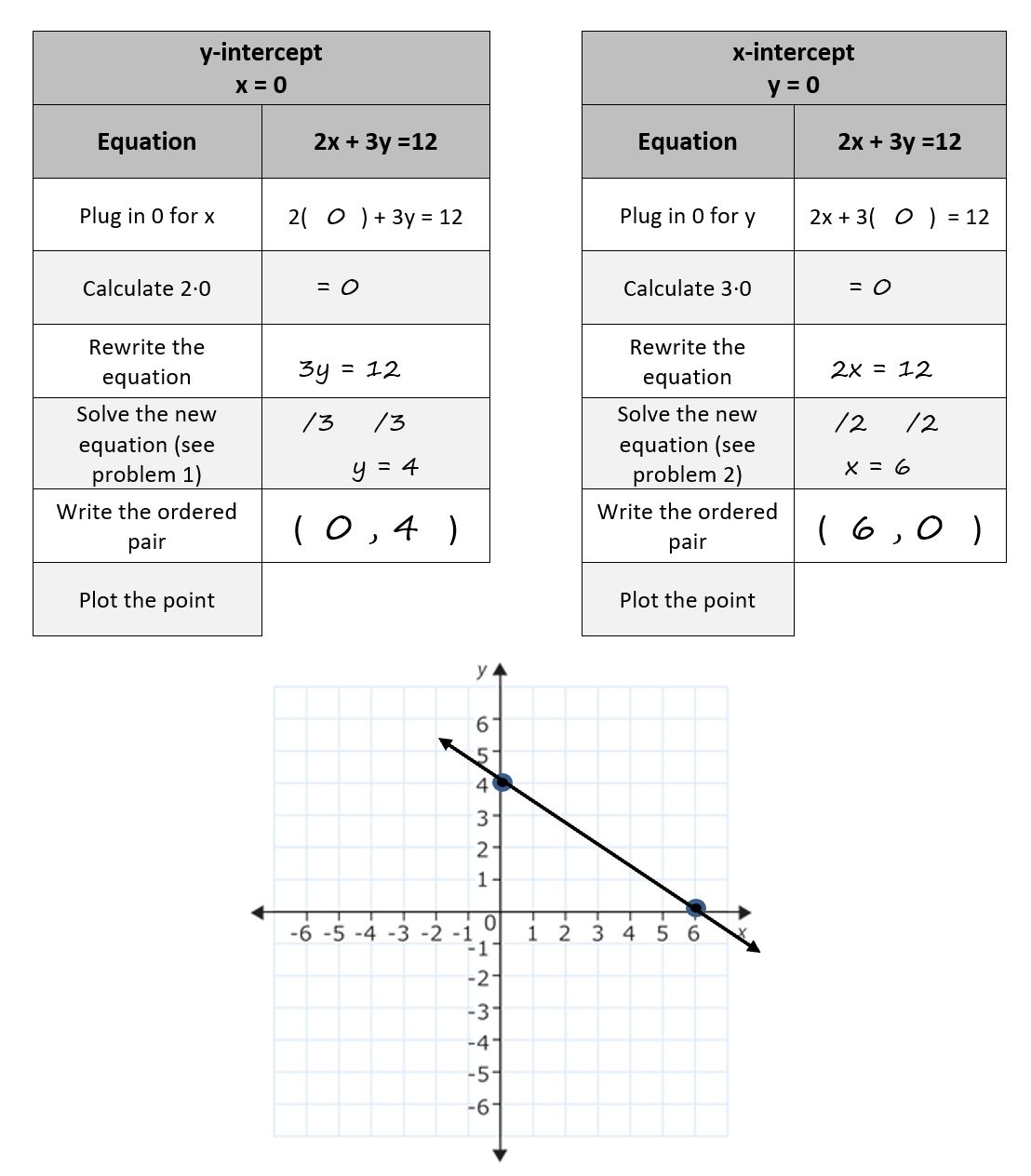
Here is a link to the document, with images showing the notes. This is a mini-lesson with the following components. A fill in the blank for writing the lesson objective. A Do now which serves as an initiation to the lesson. The y-intercept can be discussed in the context of buying 0 slices of pizza…
-
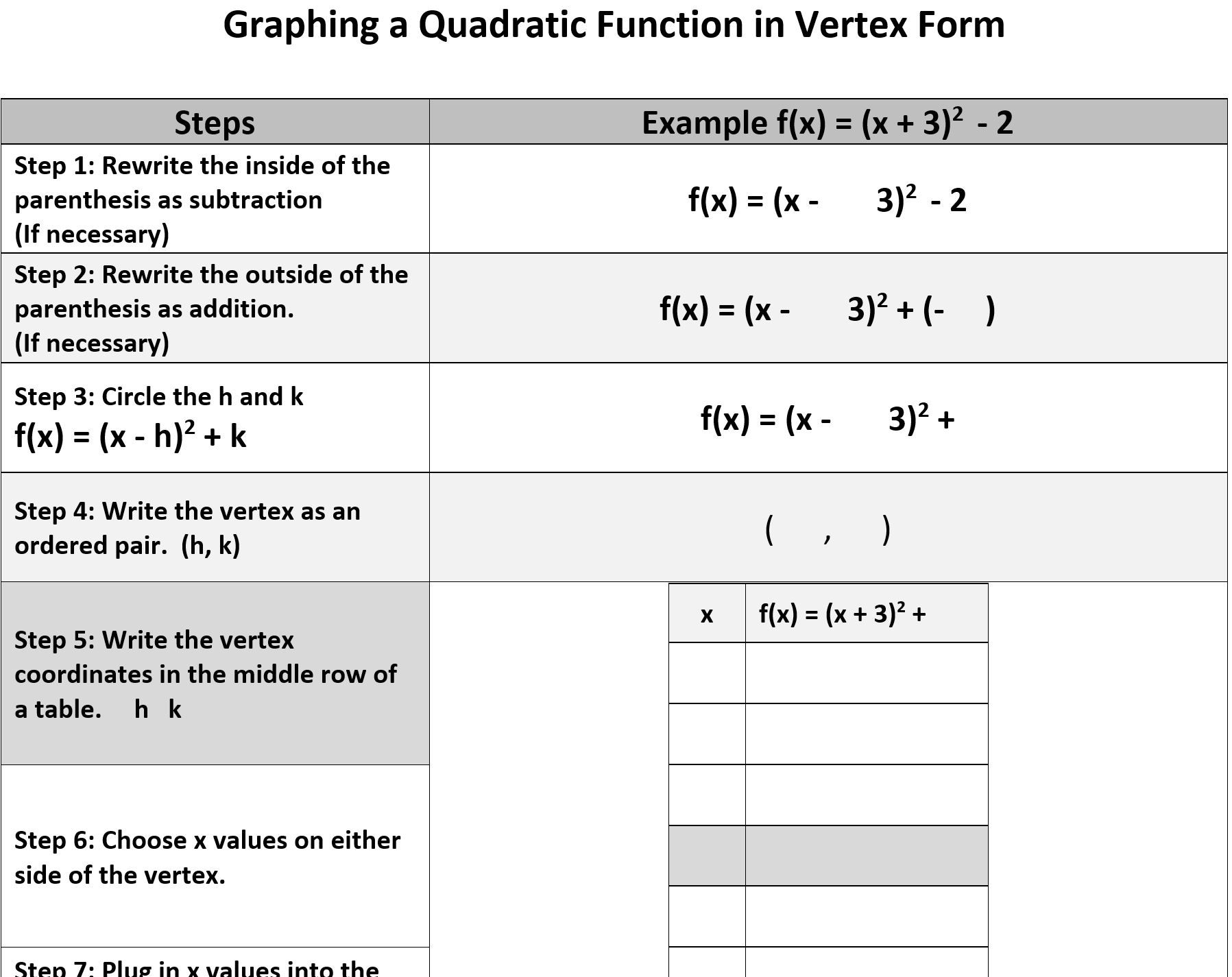
Graphing a Quadratic Function in Vertex Form – Scaffolded Handout
-
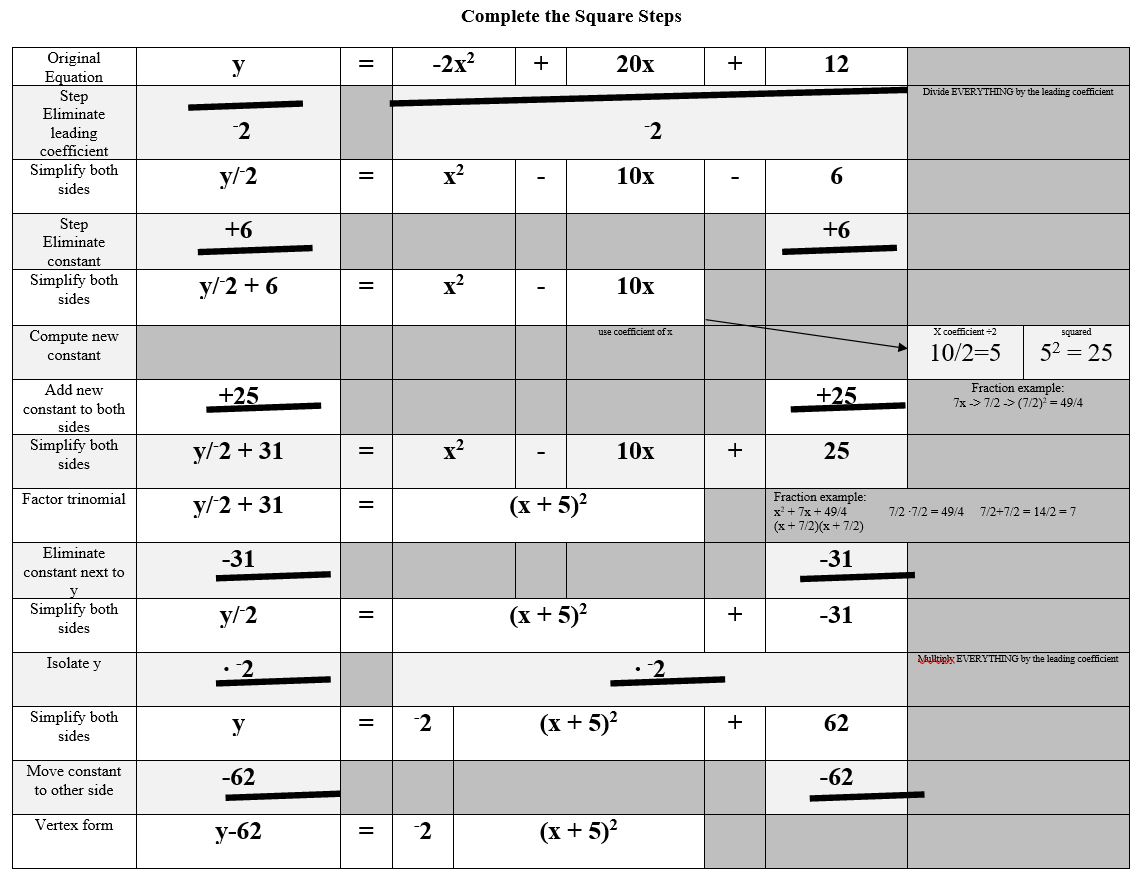
Completing the Square – Scaffolded Handout