algebra
-
Introduction to Intercepts – Mini-lesson with Scaffolded Section for Computing
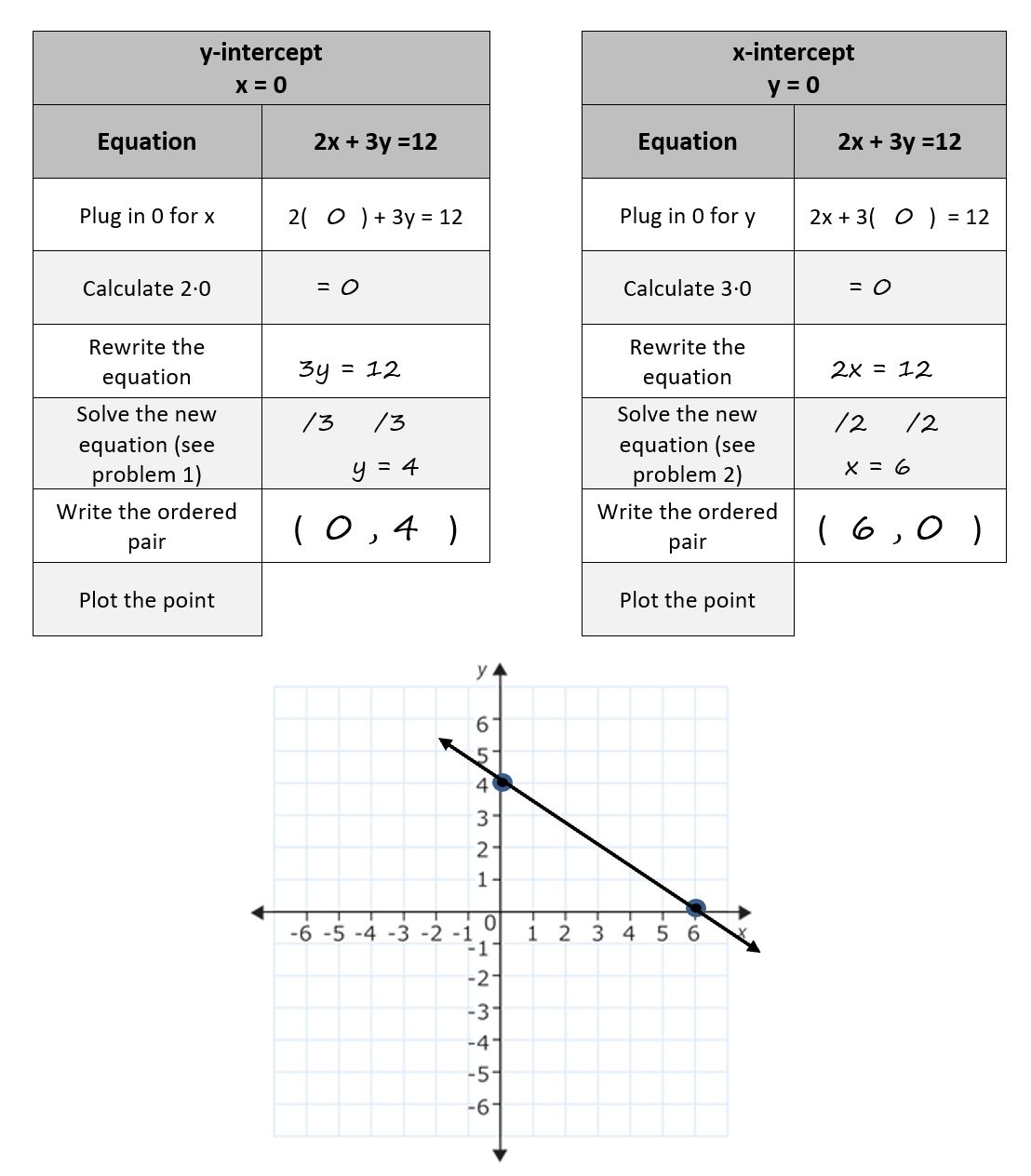
Here is a link to the document, with images showing the notes. This is a mini-lesson with the following components. A fill in the blank for writing the lesson objective. A Do now which serves as an initiation to the lesson. The y-intercept can be discussed in the context of buying 0 slices of pizza…
-
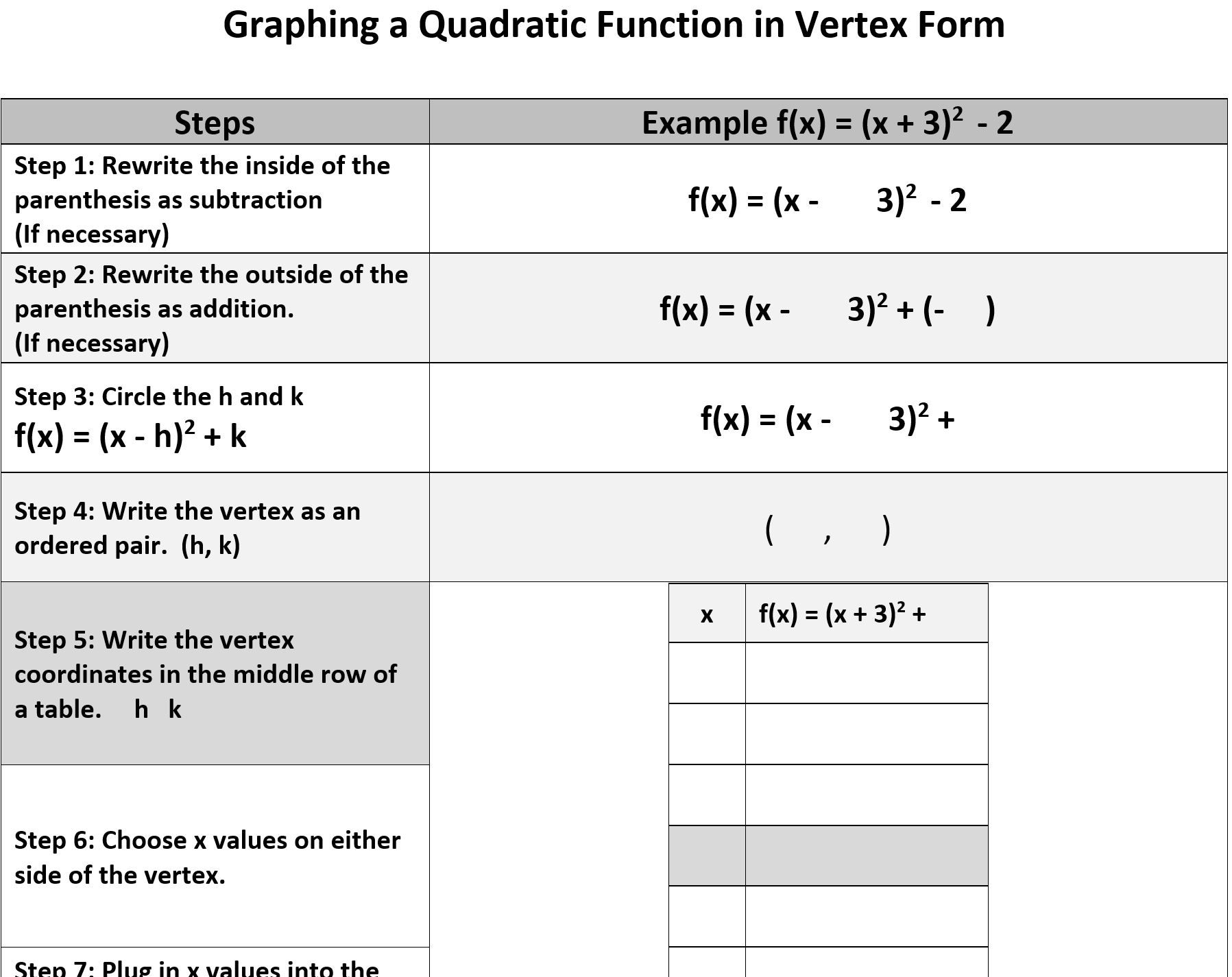
Graphing a Quadratic Function in Vertex Form – Scaffolded Handout
-
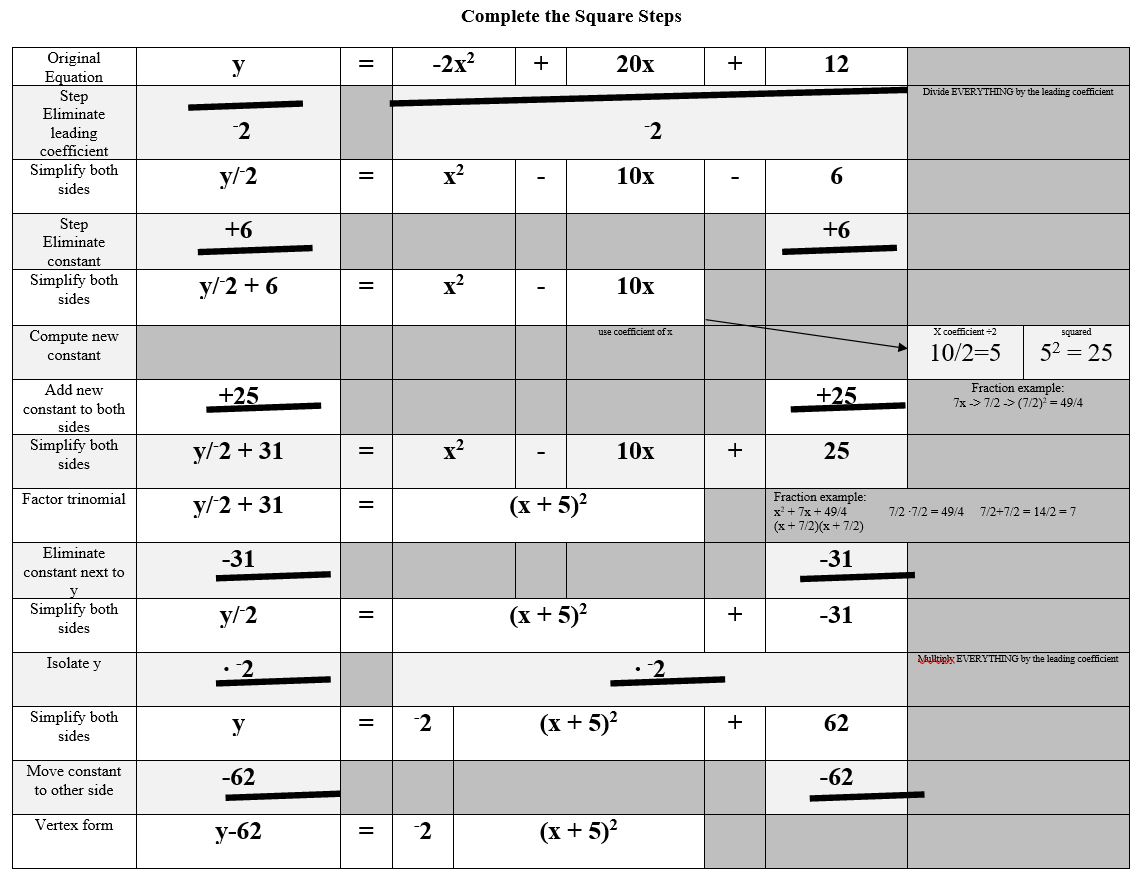
Completing the Square – Scaffolded Handout
-
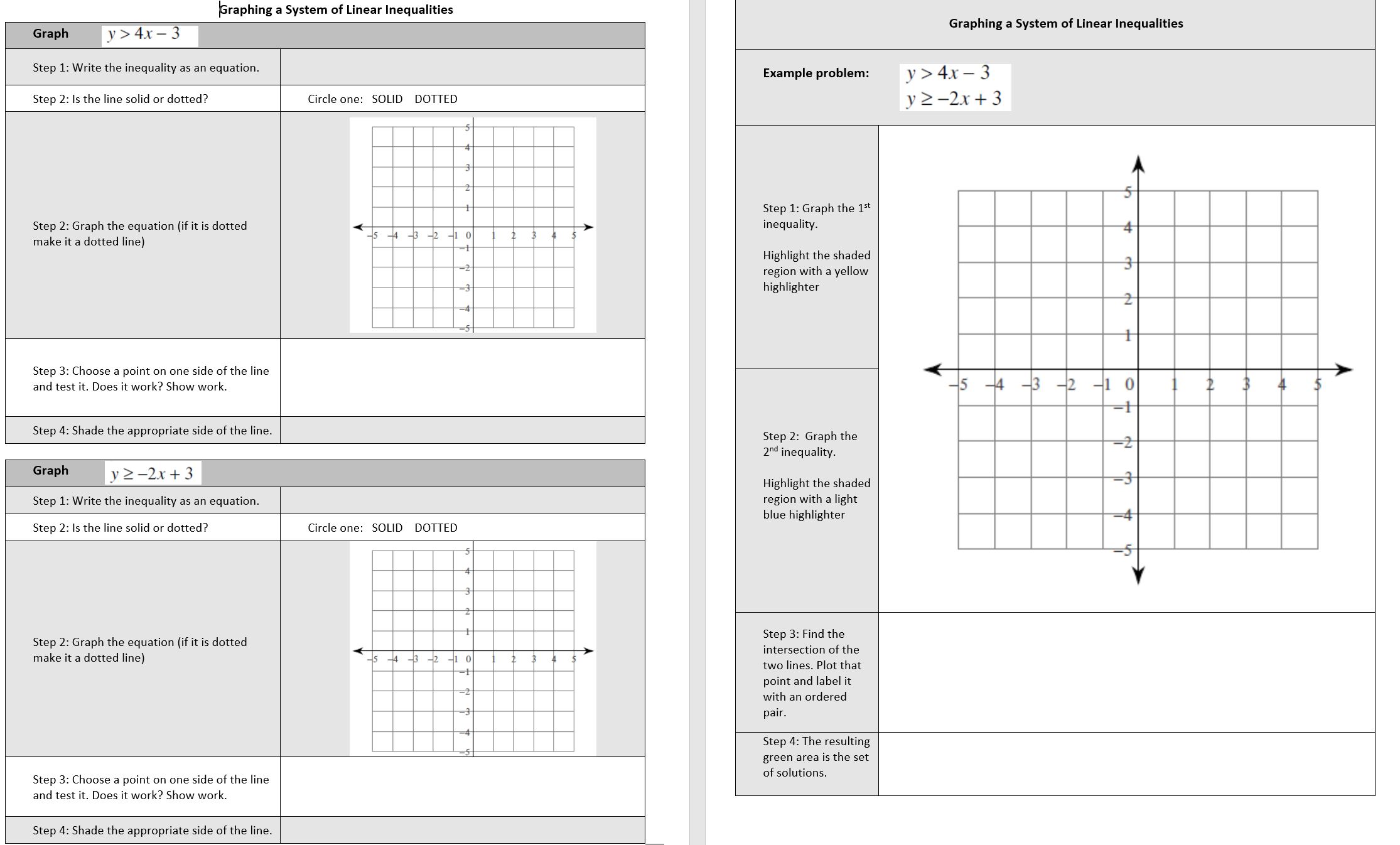
Graphing System of Inequalities – Scaffolded Handout
-
Intro to Solving Equations – Seesaws and Oranges

-
Proportional Relationship (with k) vs Linear Function (with m)
There have been interesting discussions on various Facebook Teacher pages about proportional relationships vs linear functions. This mirrors discussion about the constant of proportionality vs slope vs unit rates. The difference between the proportional relationships and slope is context and the ratios. The ratio for the former addresses the variables themselves. The ratio for the…
-
Algebra 1: Concepts and Skills

I had an interesting discussion through a Facebook post recently regarding concepts vs skills. I want to share some information I have gathered regarding this topic. I do so, because there were a substantial number of teachers advocating for skill based learning. I hope to initiate some meaningful discussion. Below left is a photo of…
-
Dividing a Binomial

If you have taught algebra, you have likely experienced this error. We know many students will make this type of error and we can help many students avoid it by being proactive. Below are excerpts from a Google Jamboard that can be used to unpack the underlying concept of the division or simplifying shown above.…
-
Dividing a Binomial
If you have taught algebra, you have likely experienced this error. We know many students will make this type of error and we can help many students avoid it by being proactive. Below are excerpts from a Google Jamboard that can be used to unpack the underlying concept of the division or simplifying shown above.…
-
Intro to Constant of Proportionality Using Hourly Pay
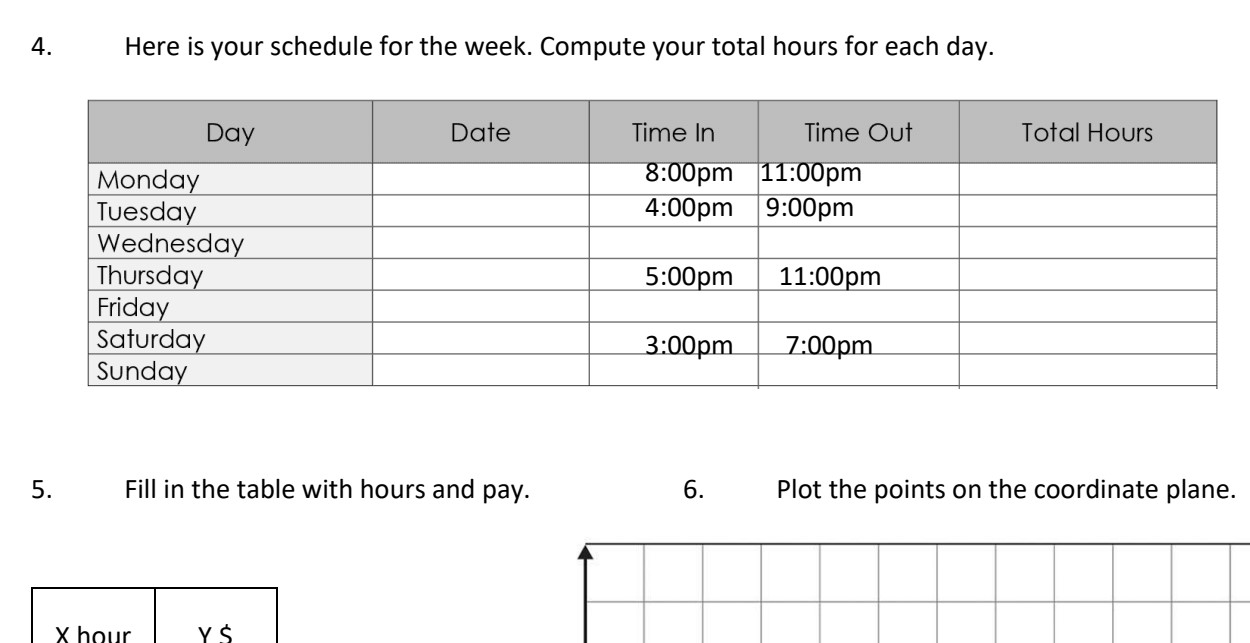
An effective instructional strategy is to make the new math topic meaningful. A fellow Facebook group member asked about teaching the topic constant of proportionality. My suggestion is to use hourly wages as an introduction. I created a handout that starts with students finding a job with an hourly pay stated and then completing a…