CRA
-
Factoring Numbers
-
Corresponding Angles in Stain Glass
-
Introduction to Slope
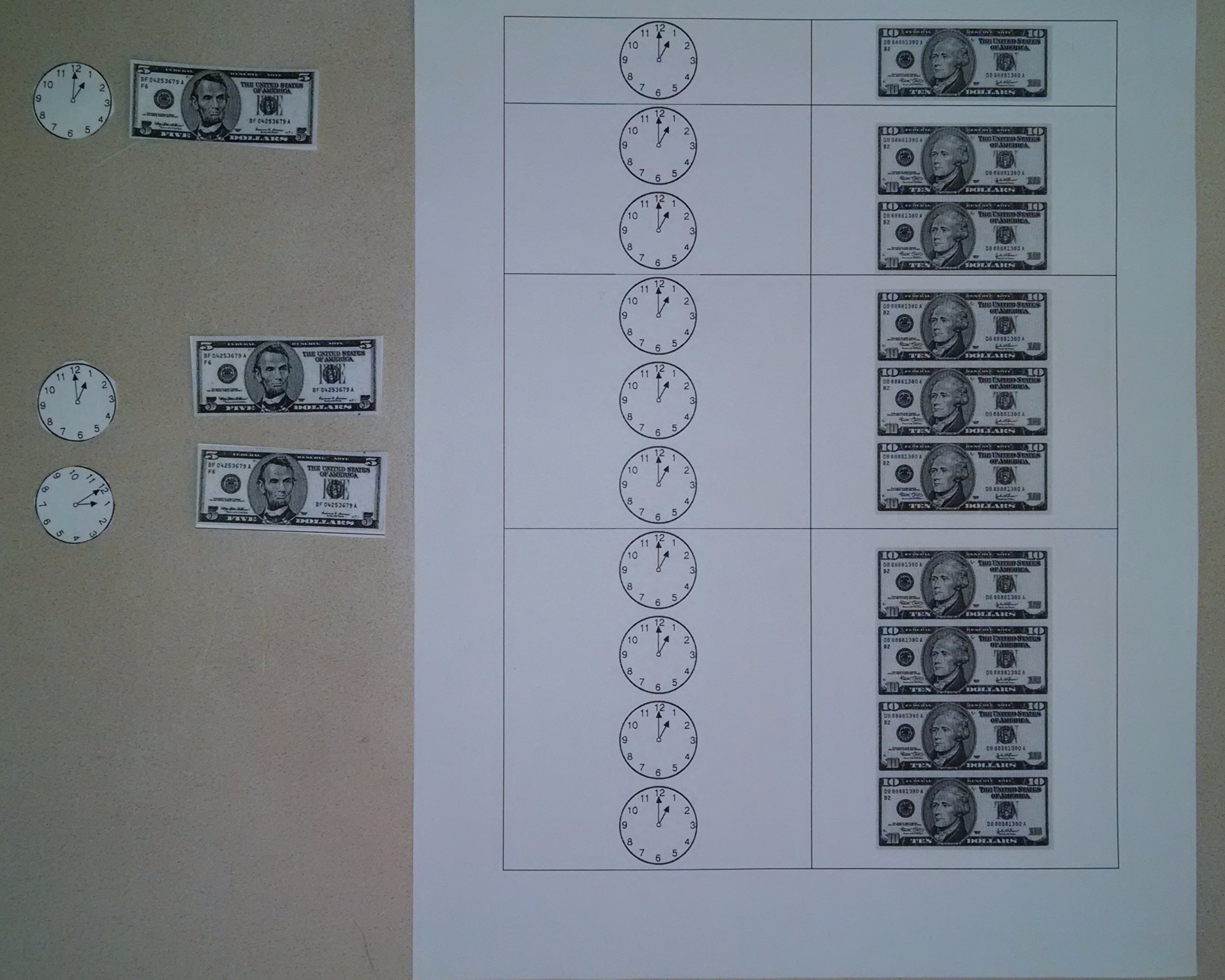
Slope is one of the the most important topics in algebra and is often understood by students at a superficial level. I suggest introducing slope first by drawing upon prior knowledge and making the concept relevant (see photo above). This includes presenting the topic using multiple representations: the original real life situation, rates (see photo…
-
Hands on Approach to Factoring out the GCF
Factors are “things being multiplied”, e.g. 2 and 3 are factors of 6. Factoring polynomials like 5×2 + 15 above is one of the most challenging algebra topics, especially for students with special needs. To make these problems more accessible a more concrete approach is possible. The photo above shows how finding a greatest common factor…
-
Addressing the Concept of Addition Part 2
-
Assessing the Concept of Addition
-
A Meaning Making Approach to Word Problems
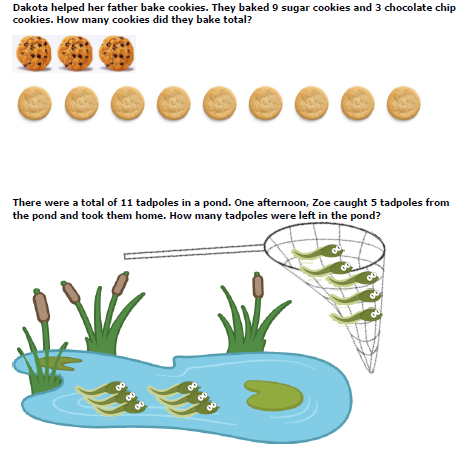
Here is a typical story or word problem. Dakota helped her father bake cookies. They baked 9 sugar cookies and 3 chocolate chip cookies. How many cookies did they bake total? When solving word problem the focus is often on following steps, e.g. read the problem and identify important information. There is also a focus…
-
Making Discount Meaningful
Educators teaching math typically start with the “mathy” stuff first. For example, for finding the sales price teachers may start with showing students the steps to calculate (photo below). I start with the concept, either with a pictorial representation or actual objects to represent the underlying concept. In the photo above, I show an object (related to…
-
Conceptual Understanding Before Getting “Mathy”
All too often math topics are introduced first with the skills and steps. This is backwards. The photo above shows how I introduced solving equations a high school student with autism using the concept as an entry point. We discussed what was involved in buying a car, including payments (no interest) then I posed the…
-
Analogies: Making Math Meaningful
Math is an esoteric subject for most people. Good instruction makes information meaningful. One method for making information meaningful is to connect new information to prior experience. In this situation the new information involves determining whether shapes are similar (see photo below). One example of student prior experience with this topic would be shrinking people…