Scaffolding
-
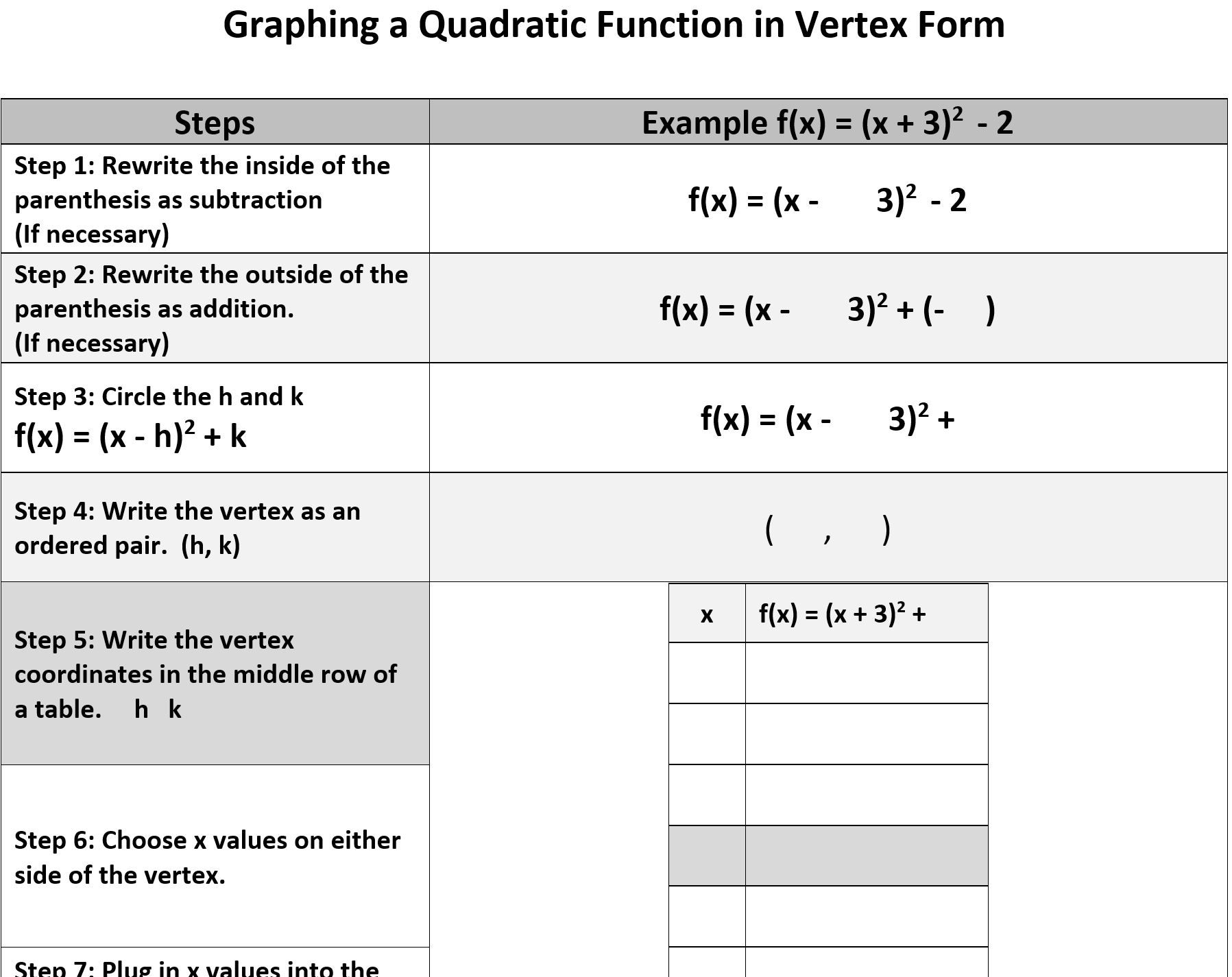
Graphing a Quadratic Function in Vertex Form – Scaffolded Handout
-
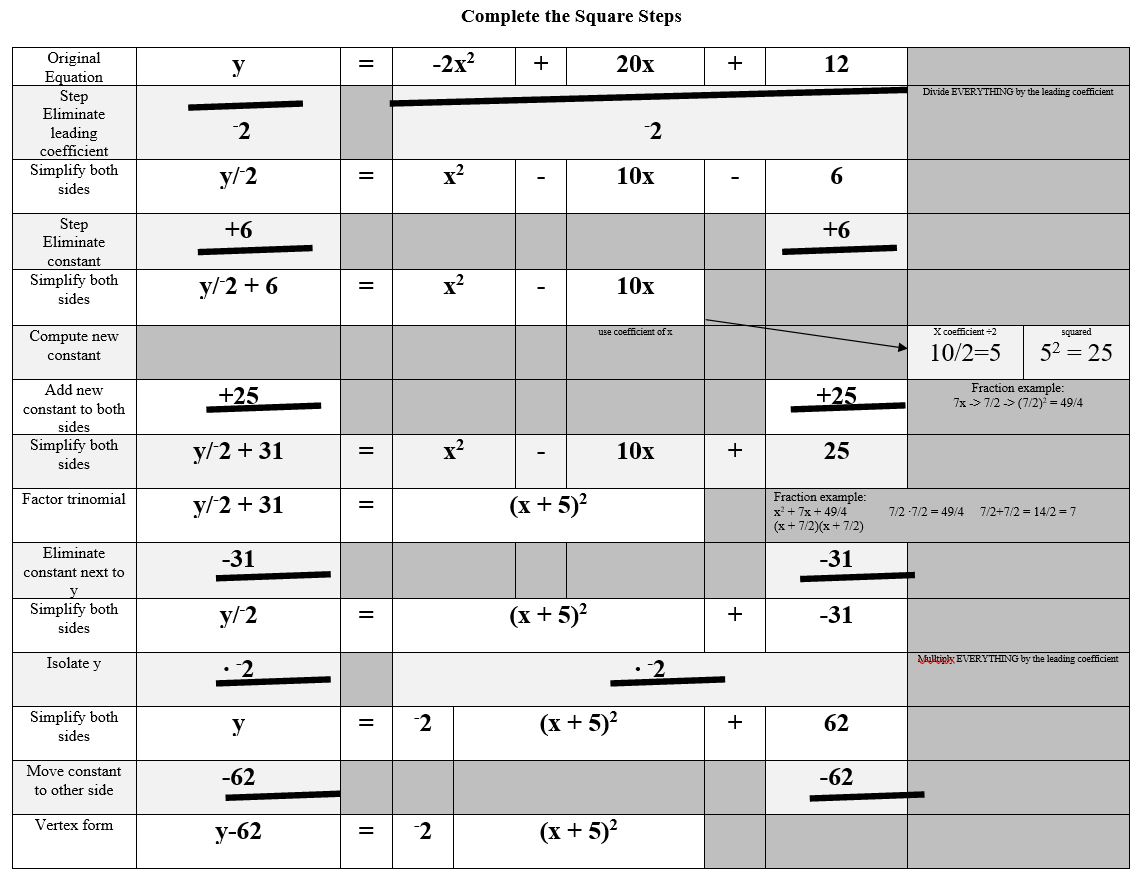
Completing the Square – Scaffolded Handout
-
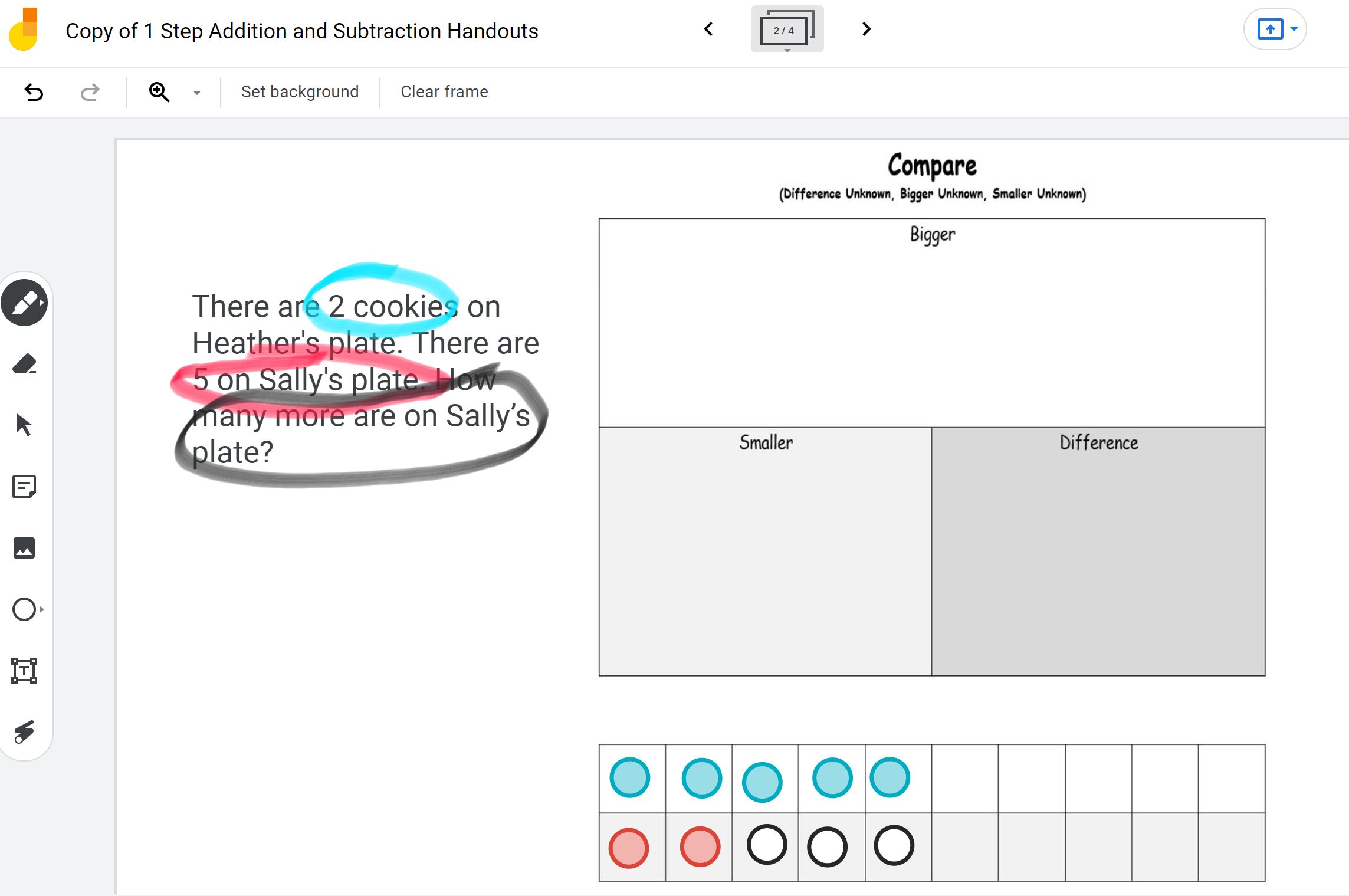
1 Step Word Problems Addition and Subtraction – Scaffolded
-
Change Word Problems – Scaffolded
The Jamboard incorporates scaffolded handouts. The compare problems has two separate scaffolded sections. The first is to unpack the concepts of difference and compare, followed by writing a math sentence. Here is an introductory Jamboard to help students visualize and conceptualize change situations. Here is a video you can show to help students see movement…
-
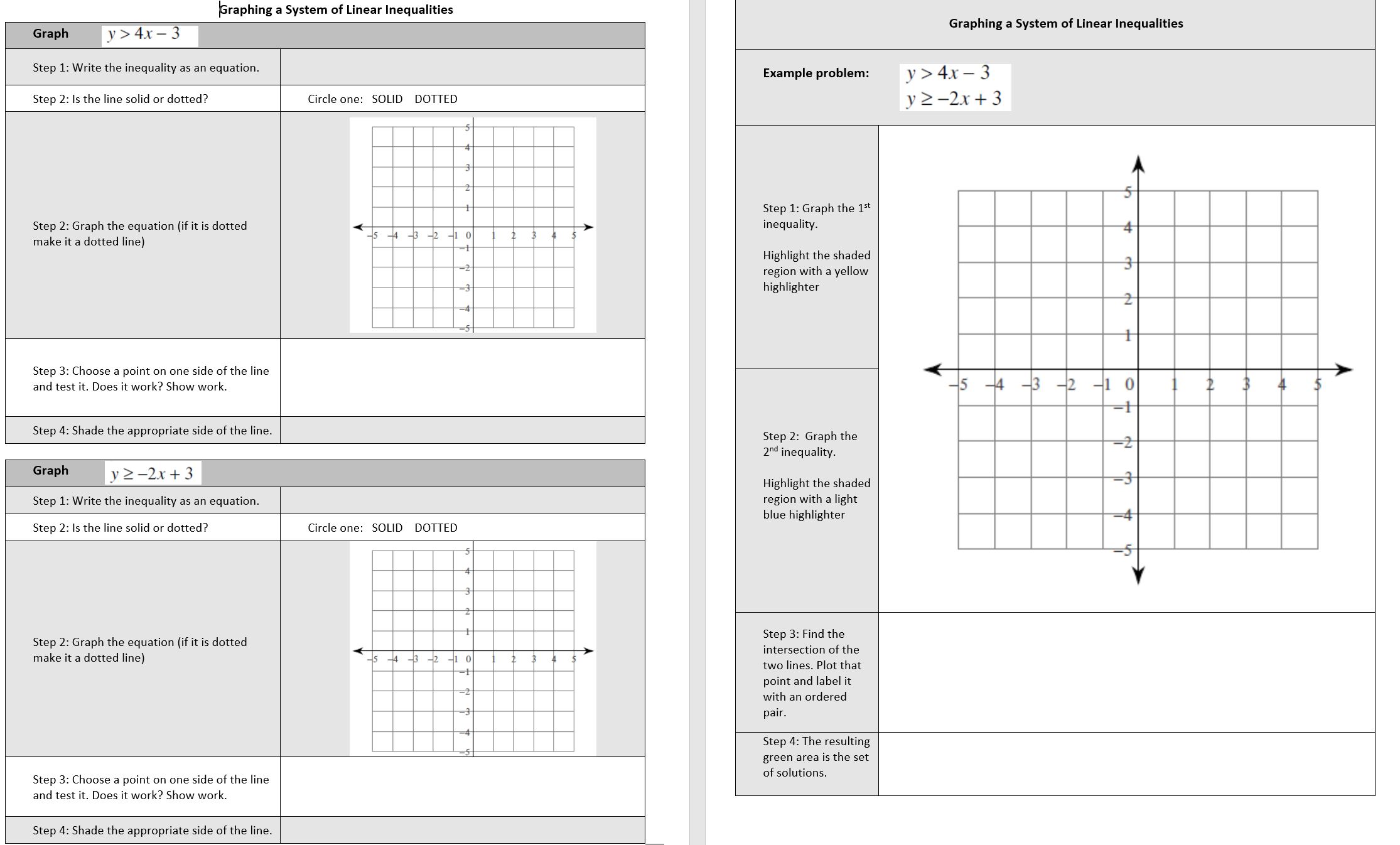
Graphing System of Inequalities – Scaffolded Handout
-
Combining Like Terms – From Concrete to Symbolic Form

-
Multiplying by 6, 8, 9
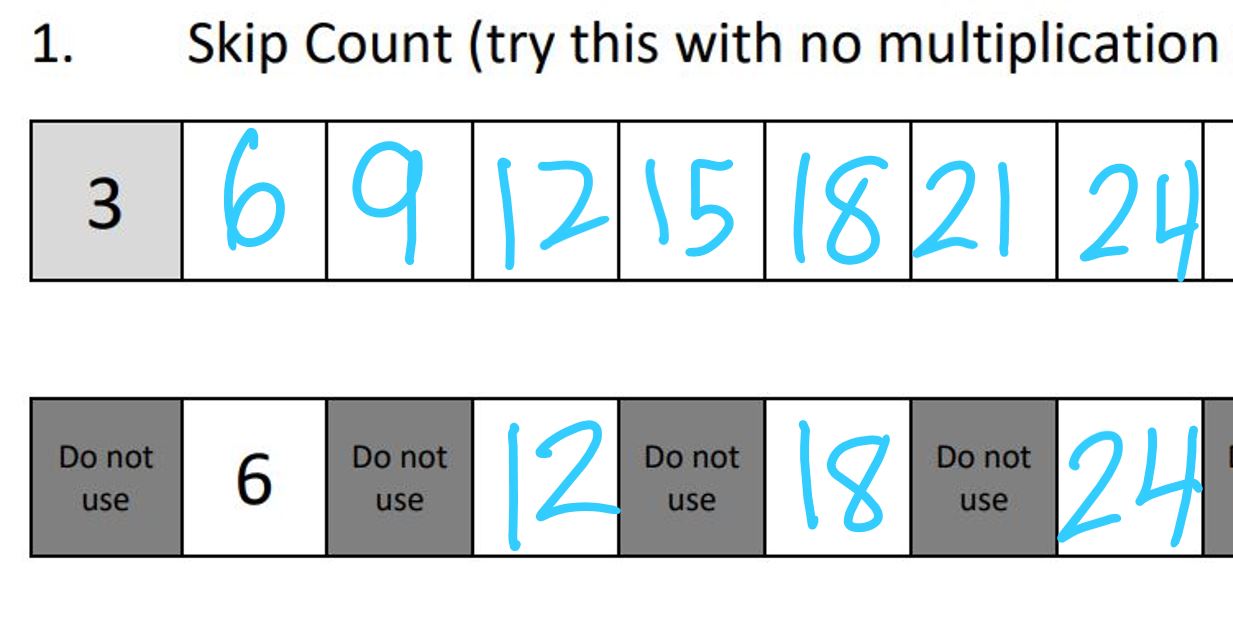
If you find this helpful, maybe consider making a small donation to help build an accessible playscape for children with disabilities. I have found success with students using a double skip method for 6s and 8s. The 6s use every other 3 and the 8s, every other 4. Below is how I scaffold the process…
-
Hack for Multiplication (and division) Facts

A common method to learn multiplication facts is through skip counting. In turn, this is a means of learning division facts (see next paragraph). The challenge for many students is they struggle to learn the skip count routines or cannot engage brute force memorization effectively (e.g., have a working memory deficit). The challenge with multiplication…
-
IXL.com – Excellent Tool for Differentiation

IXL.com is a site that provides online practice for math (and other topics). It has a hidden feature that allows for very effective differentiation. This can be highly useful in a general ed math class and in settings for special education services. This includes special ed settings with students working on a wide ranges of…
-
Handouts for Multiplication and Unit Rate Word Problems

Here are excerpts from two handouts I use to help students understand how to write multiplication and rate word problems as math expressions. The image, below at top, shows a problem from the first handout I present. The students draw a single group represented by the rate expression (for elementary school word problems the term…