Connections to Prior Knowledge
-
Solving Absolute Value Equations Scaffolded
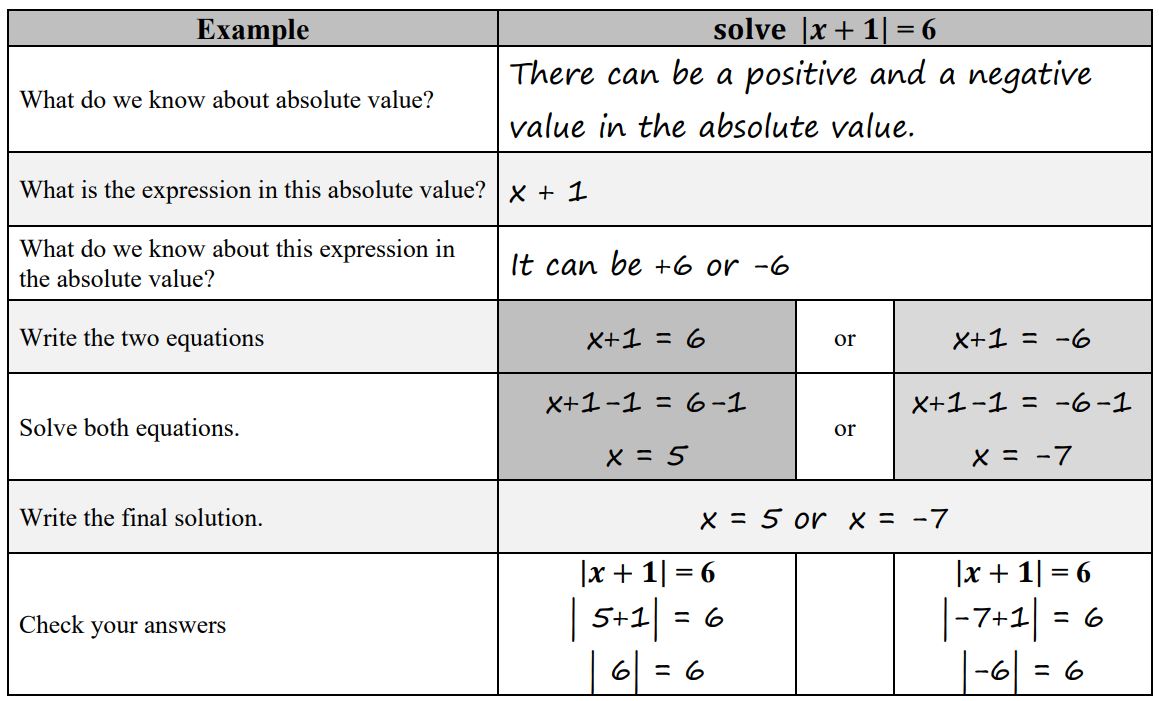
Absolute value is a challenging for many students. Absolute value equations add an extra layer of challenge. This post presents a scaffolded handout. It starts with an initiation addressing absolute value and then is followed by scaffolded steps for solving that address written and mental steps. The Scaffolding The scaffolding walks students through mental steps…
-
Intro to Solving Proportions

Solving division equation proportions is challenging for two reasons. First, it involves fractions. Second, for some reason, many students struggle with solving division equations and a proportion is a more complex version. This post outlines a scaffolded handout to guide students through solving by multiplying both sides. Overview The handout provides support in two ways.…
-
Individualized Base 10 Blocks

Students who struggle with number sense, such as place value, struggle with subsequent math content. Connecting place value to prior knowledge or an area of interest can be an entry point to making place value accessible. This post shows how a student interest (horses) can be leveraged to present place value in a more accessible…
-
Intro to Intercepts Using Taco Bell

This post provides details for a discovery activity for intercepts. Students shop for tacos and burritos at Taco Bell. They are to find combinations of number of tacos and number of burritos. This will include no tacos or no burritos. The activity is provided on a Google Doc. Overview Student prior knowledge is leveraged to…
-
Introduction to Adding Integers

Operations on integers and integers in general is challenging for many students. Negative numbers are abstract. Whole numbers and fractions can be represented with images. The activity presented draws upon student prior knowledge of thumbs up and down in a vote to make negative more accessible. The following images are from a Jamboard. Here are…
-
Equal Parts of Fractions – Intro

The concept of fractions as some number of equal parts begins in 1st grade per the Common Core (image below). There are students who struggle with the idea of equal parts and this could undermine student work in subsequent topics. The activity cited in this post is designed to develop the concept of equal parts.…
-
Intro to Slope of a Line

-
Speeding Up and Slowing Down on a Graph looking at Velocity and Acceleration
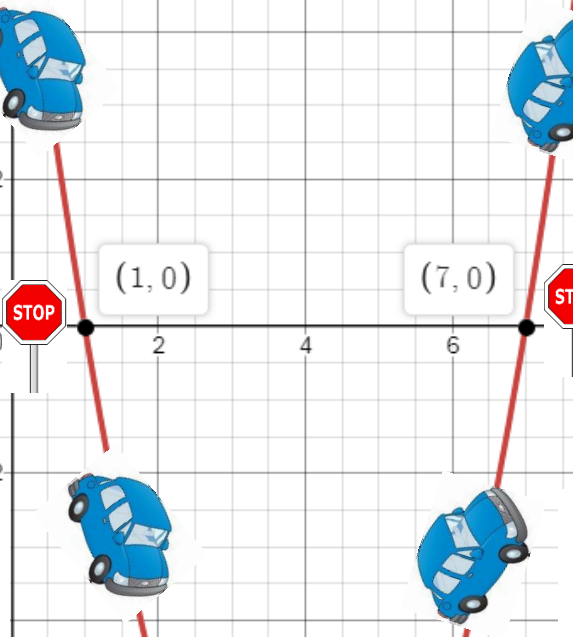
We all understand speed intuitively. Velocity and acceleration are more mathy and harder for many students to comprehend, especially on a graph. Even harder is the idea of when an object is slowing down or speeding up. In this post I attempt to unpack both. Velocity is speed with a direction. Negative in this case…
-
Intro to Factoring Out GCF – Scaffolded and Jamboard
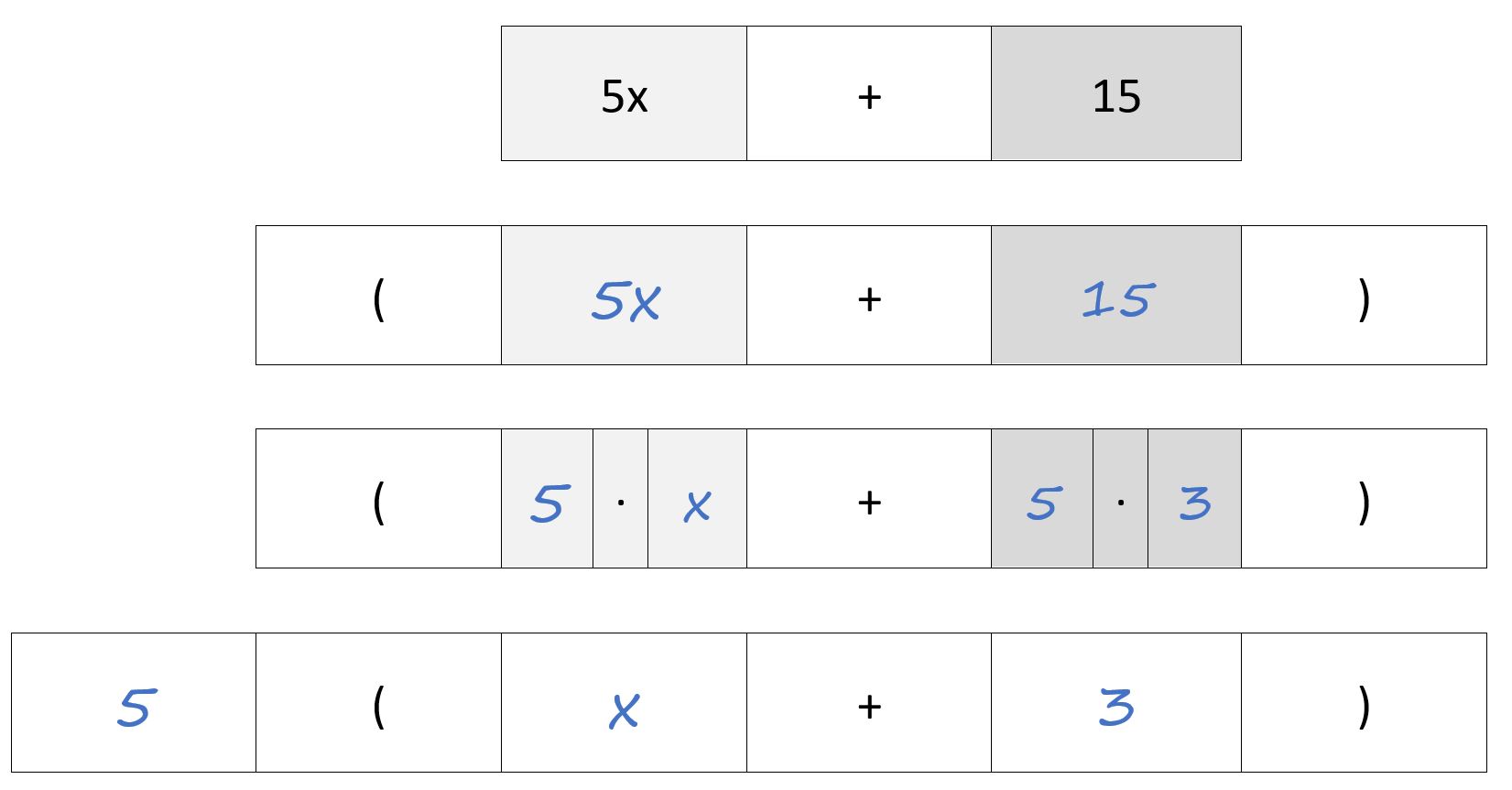
The post shows a lesson to introduce factoring out a GCF. Factoring (and multiplication proficiency) are challenging for many students. Overview The handout is chunked to incrementally add task demands. A Jamboard is used as a complement to flesh out the concept of a factoring by allowing engaging the student kinesthetically, with scaffolding as guidance.…
-
Intro to Multiplication – A Sequence of Lessons
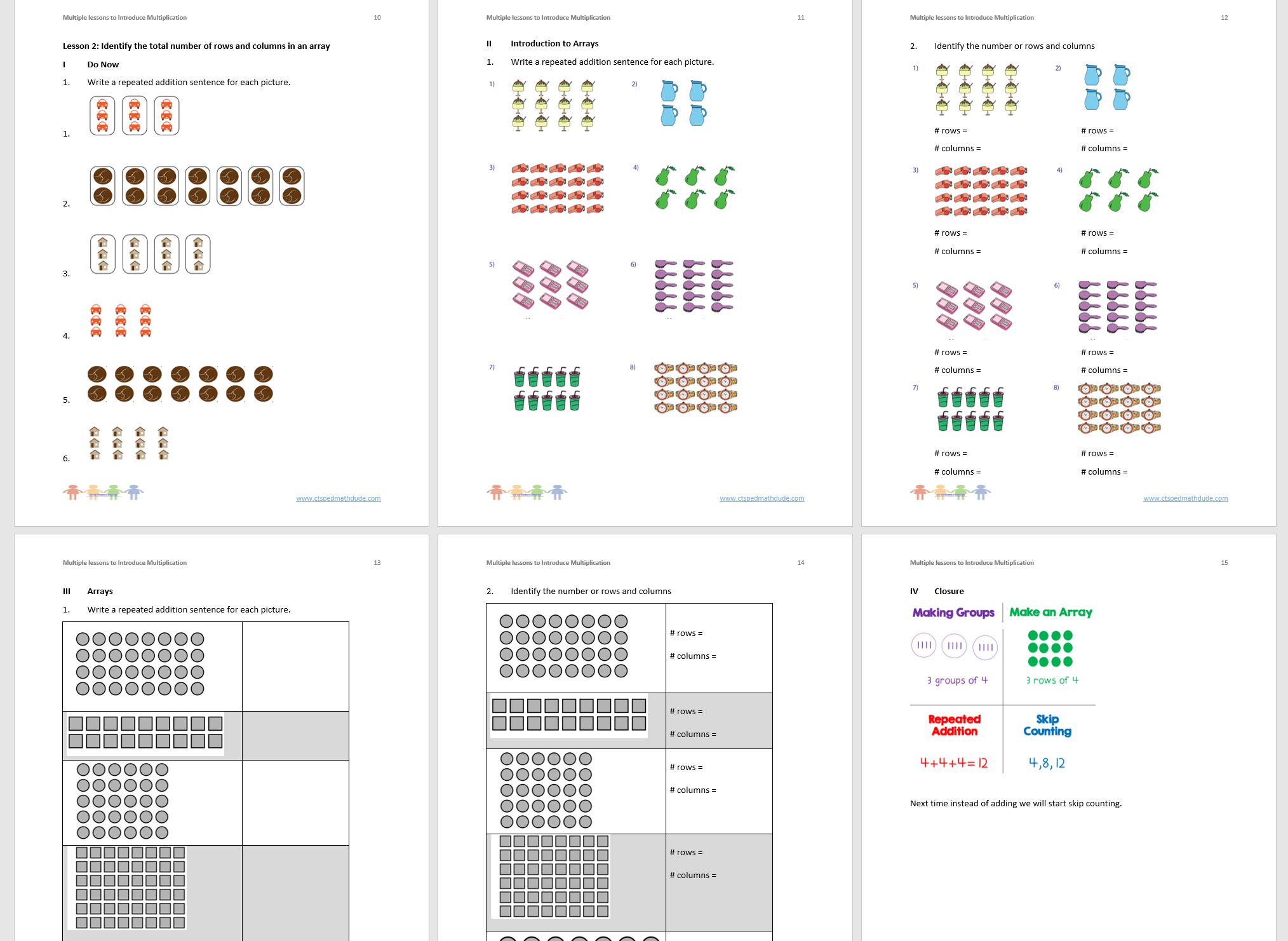
Below are photos from multiple lessons to introduce multiplication. They are combined into a single document. I use a task analysis approach to first develop conceptual understanding of multiplication as repeated addition. This is followed by skip counting and then using skip counting to multiply. The lessons are not necessary completed in a single day.…