consumer math
-
Counting Money as a Game
The Allowance Game is retail game tailored to students who are learning to count money. I revised it to make it more authentic and more functional. I changed some money amounts to necessitate the use of pennies (see below) I use real dollars and cents to provide more opportunities to handle real money I…
-
Money in Authentic Settings
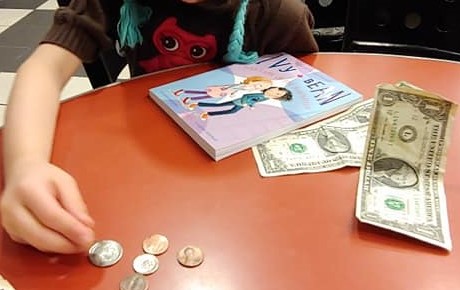
Working independently and effectively with money is a crucial component to independent living. When I started working on math for students receiving special education I was taken aback by the number of high school students who could not work with money effectively, including counting out the total value for a given set of coins. One…
-
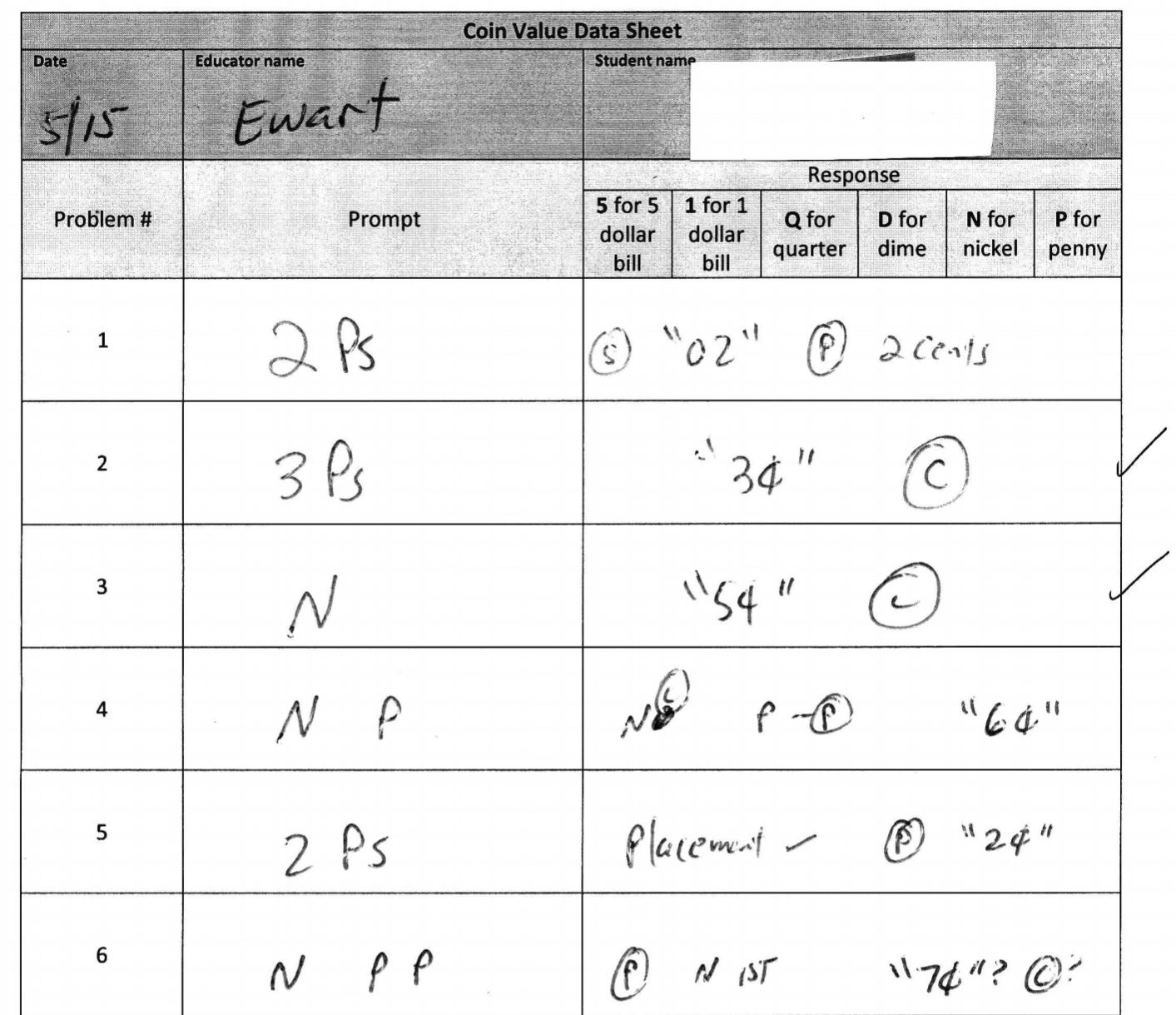
Data Collection for IEP Objectives
-
Opportunities for Parents to Engage Students with Math
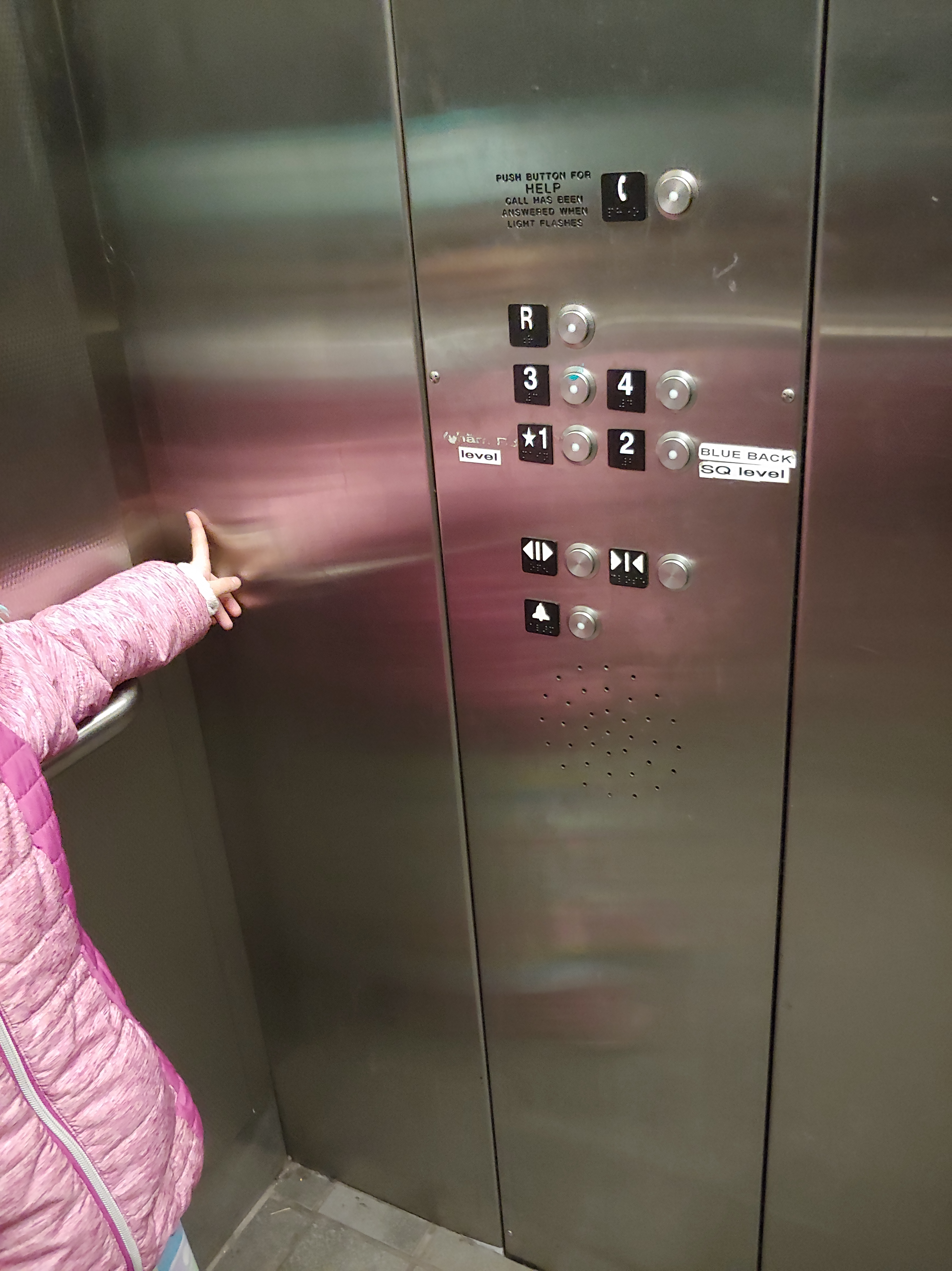
Math is often considered an esoteric set of information that is disjointed from the reality people face, aside perhaps from money. Sadly, in school, especially in older grade levels, math is indeed presented this way. A situation as simple as riding an elevator provides opportunities to show and engage a student with math applied in…
-
Authentic Activities – Money and Prices
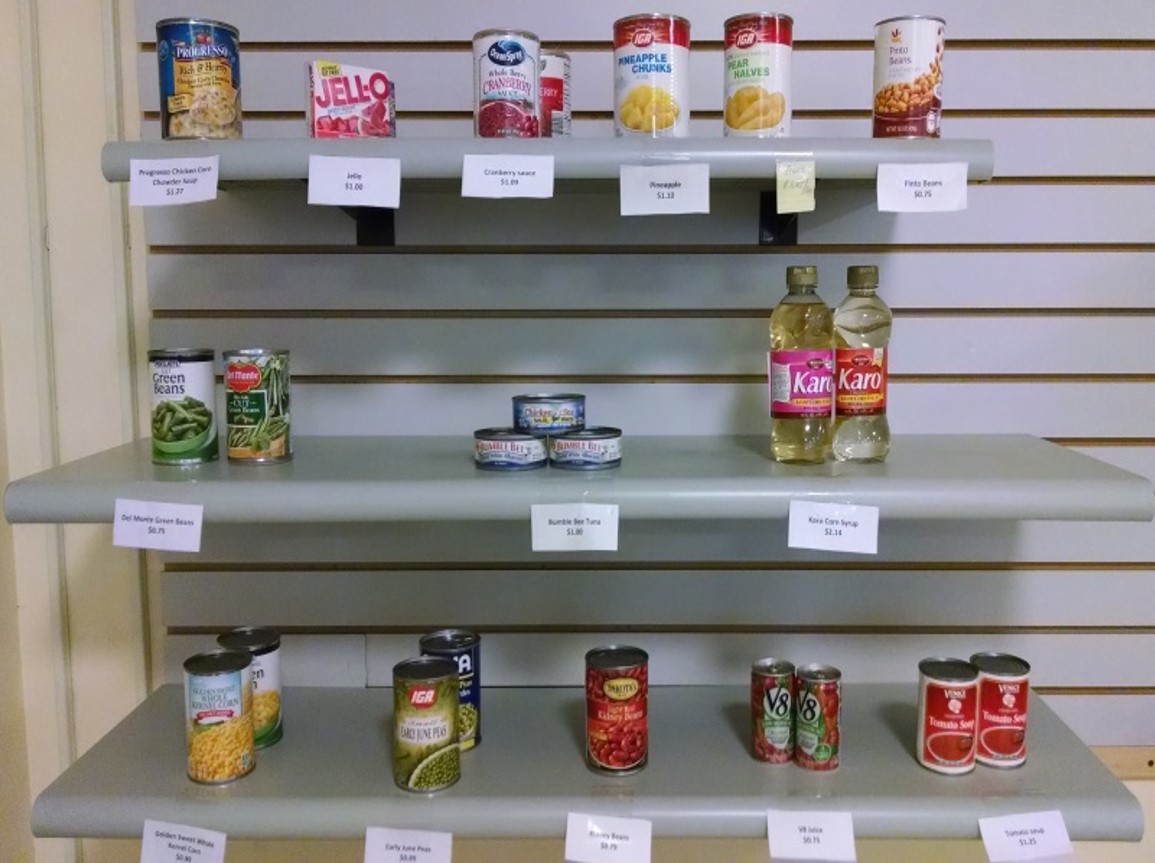
Below is a photo of a typical worksheet for money. I worked with a parent of a high school student severely impacted by autism and she explained that her son worked on nothing but worksheets when he worked on math. For students with more severe disabilities the worksheet may not be real or meaningful as…
-
Strategy to Individualize Instruction

It is difficult to individualize instruction in a whole class or small group setting. I created and taught the curriculum for a Consumer Math course at the high school where I teach. For a class of 10-12 students, all with an IEP, I developed an approach that allowed me to individualize the instruction for each students.…
-
Pretest on Money and Spending for Consumer Math
The photo shows a pre-posttest for a student in a consumer math class. In the course I taught we would conduct a pretest at the start of the class to determine which of the related skills a student lacked mastery. The course focus for this student was on the identified skills – highly individualized. The…
-
Consumer Math
At my school we developed a track for math for students with disability for whom the traditional math courses are inappropriate. Many of the topics and concepts from the traditional courses are addressed but in a practical or applied approach, with the principles of UDL incorporated. This is not a typical dumping ground situation that…
-
Streamlining Differentiation