concrete
-
Lego Fractions
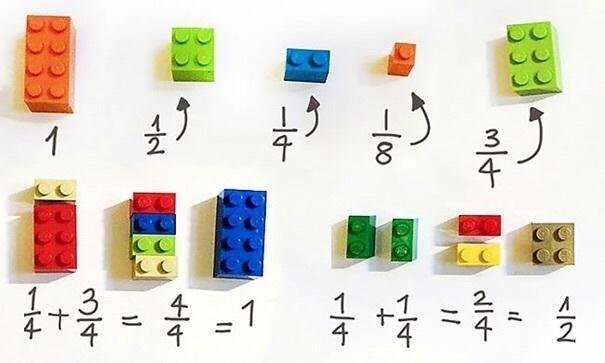
The photo below is courtesy of Robert Yu, Head of Lego Education China, as shared by Jonathan Rochelle, Director for Project Management at Google. The use of Legos shown here is a classic (and wicked clever) example of manipulatives. Before writing the actual fractions students can use drawings as shown below. The sequence of manipulatives,…
-
Place Value Representation
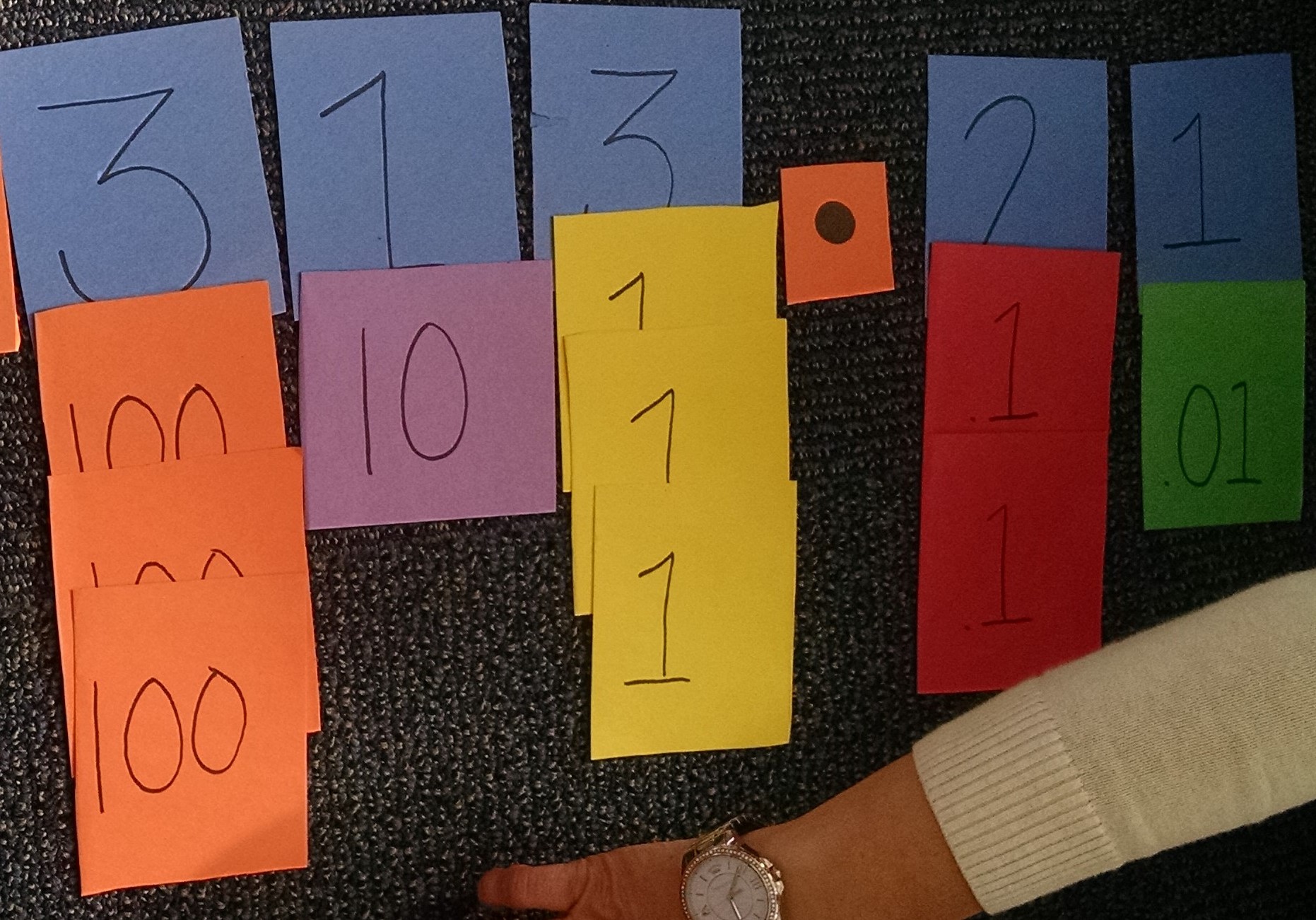
Here is an easy way to create and implement strategy to unpack place value for students (created by one of my former graduate students). I suggest using this after manipulatives and visual representations (drawing on paper) in a CRA sequence. It is hands on but it includes the symbolic representation (numbers). Hence is another step…
-
Simplifying Expressions (Combine Like Terms)
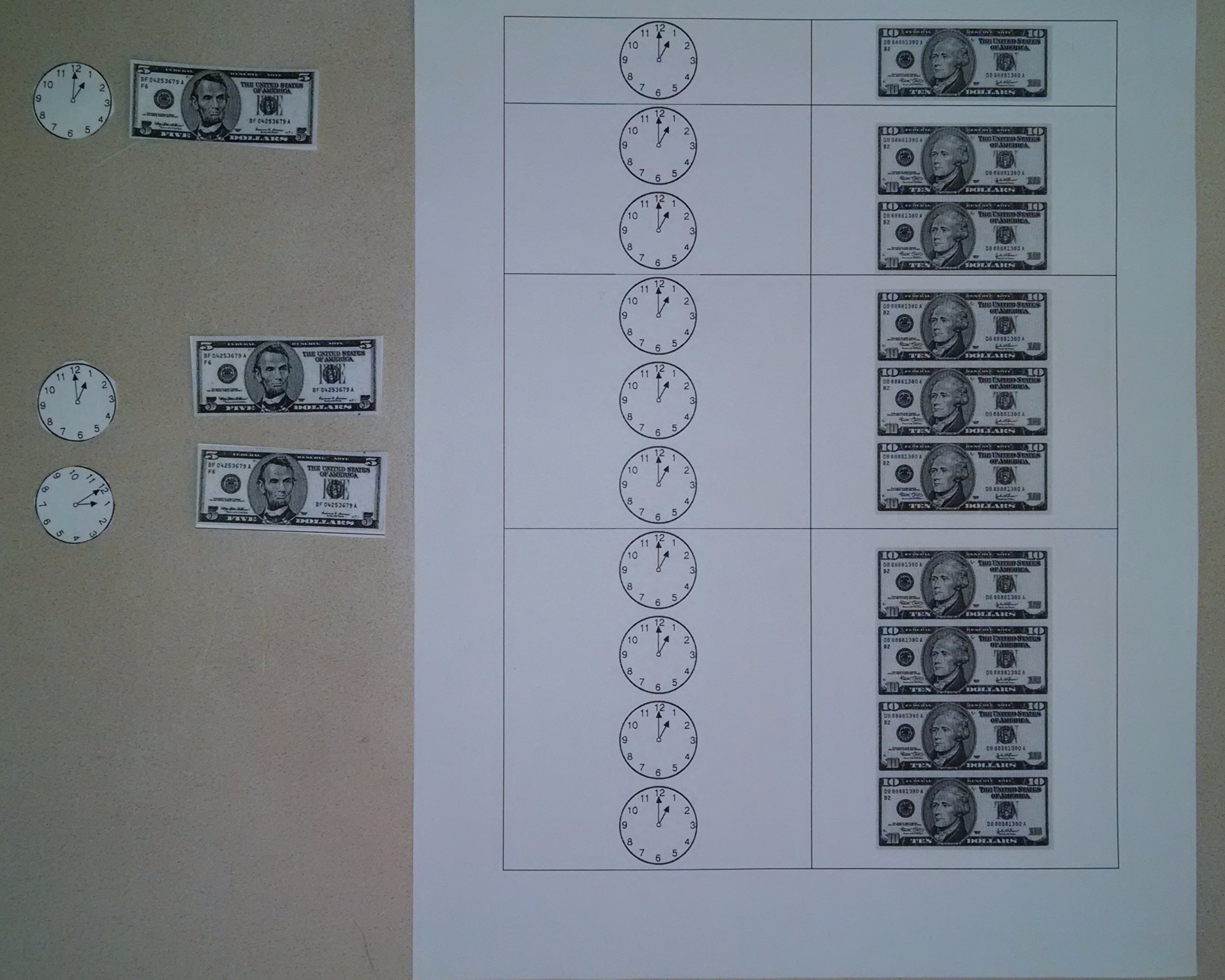
Simplifying expressions (see photo below) is one of the most challenging algebra tasks for many students receiving special education services. A major problem is that it is typically presented as symbol manipulation…addressed in very symbolic form. My approach is to make math relevant and more concrete. Below is a scaffolded handout I use to help…
-
Snow Math
-
Introduction to Slope
Slope is one of the the most important topics in algebra and is often understood by students at a superficial level. I suggest introducing slope first by drawing upon prior knowledge and making the concept relevant (see photo above). This includes presenting the topic using multiple representations: the original real life situation, rates (see photo…
-
Hands on Approach to Factoring out the GCF
Factors are “things being multiplied”, e.g. 2 and 3 are factors of 6. Factoring polynomials like 5×2 + 15 above is one of the most challenging algebra topics, especially for students with special needs. To make these problems more accessible a more concrete approach is possible. The photo above shows how finding a greatest common factor…
-
Making Discount Meaningful
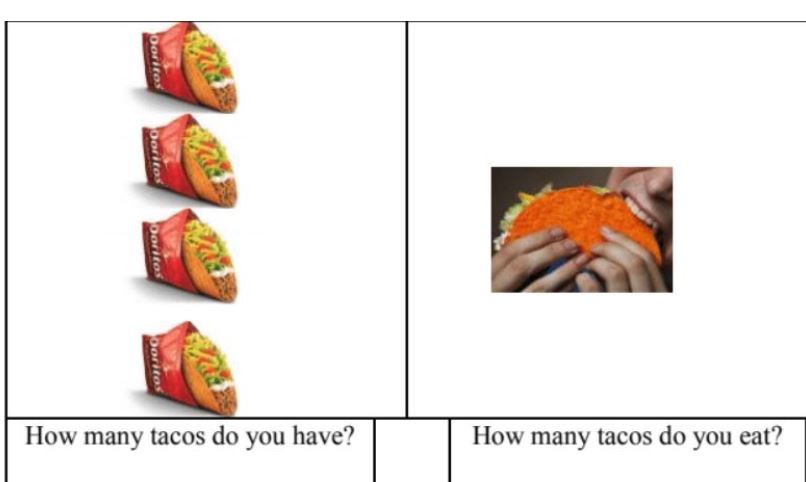
Educators teaching math typically start with the “mathy” stuff first. For example, for finding the sales price teachers may start with showing students the steps to calculate (photo below). I start with the concept, either with a pictorial representation or actual objects to represent the underlying concept. In the photo above, I show an object (related to…
-
Analogies: Making Math Meaningful
Math is an esoteric subject for most people. Good instruction makes information meaningful. One method for making information meaningful is to connect new information to prior experience. In this situation the new information involves determining whether shapes are similar (see photo below). One example of student prior experience with this topic would be shrinking people…
-
CRA for Solving Equations
This is a photo of a handout from a special ed conference shared by Dr. Shaunita Strozier (sstrozier@valdosta.edu) of Valdosta State University. It shows the use of algebra tiles to provide a concrete level of the concept of an equation and solving the equation. The photos on the left show the R or representational level of the…
-
Cutouts for Area of Irregular Shapes
Students have trouble with irregular shapes largely because they cannot visualize or determine the measures the dimensions of the individual parts. The photos below show a hands on activity to help students with these challenges. The students are cut out the individual shapes and write in the dimensions. This method allows them to see the…