Response to Intervention (RTI or SRBI)
-
Shopping Cart of Accommodations
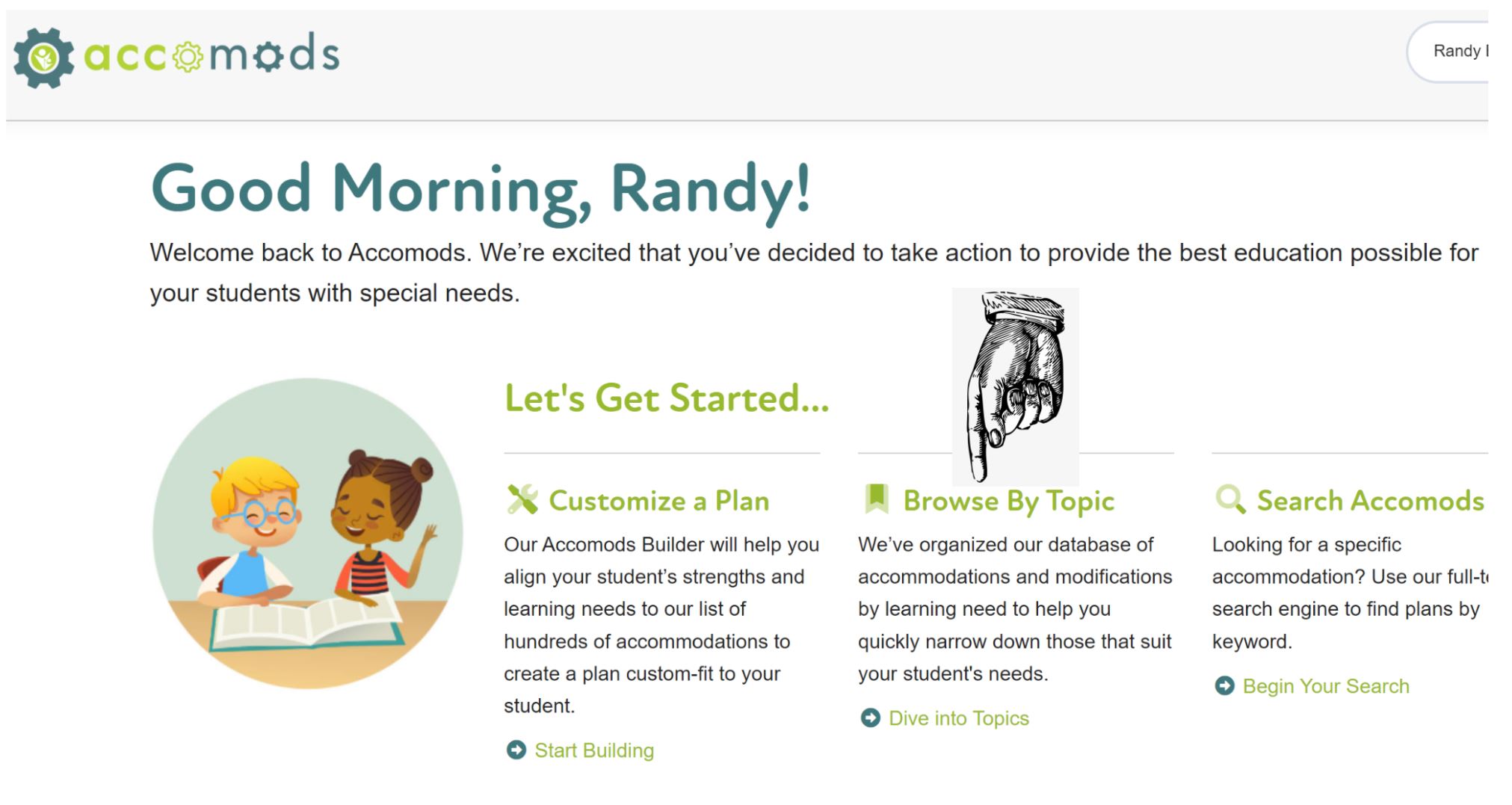
Teachers have a thousand tasks to complete every day. Identifying and sharing accommodations is an important one that takes time. This blog post shows a resource that allows teachers to literally shop for accommodations like they shop for items on Amazon or Target. Overview Accomods is an online source of accommodations for special education and…
-
Catching Up in Math is Often Akin to a Stuffing Suitcase

In working with students with special needs on math programming and services, a common and major issue is that the student is behind and there is a tension between filling in gaps and addressing grade level content. Let me unpack this (pun intended). There is no single grade level for math, as is the case…
-
Asking for Examples of Mastery for IEP Objectives
-
Token Sheet to Address Target Behaviors
Perhaps the vast majority of students with disabilities need support with math. Their challenges with math can be directly related to their disability or can be the result the effects of an ongoing struggle with math. The later results in what is termed secondary characteristics. When I work with students with a disability, I first…
-
Making Sense of Fractions – Regrouping with Mixed Numbers
It is easy to get caught up in the steps and rote memorization when working with fractions. The brain processes information more effectively when the information is meaningful. ADHD makes paying attention to rote memorization of steps even more challenging. Below is an excerpt of work I completed with a middle school student who has…
-
Meeting Needs Part 2

In the past year I have helped two 7th grade students who are categorized as twice exceptional (2e). Both had more severe math anxiety that impacted their performance and masked their ability. When we started both were working on elementary school level math. Within a couple of months both were working on algebra. (Both had…
-
Meeting Student Needs

One of my beliefs about the education is that teaching is built on a delivery based model. If teachers take certain steps the learning will happen – an educator’s version of Field of Dreams. Often the result is a focus on having students assimilate into the teacher’s class environment. I subscribe to the exact opposite…
-
Juggling Gaps and New Content

In math, many students with special needs fall behind. What results is a Catch-22 in programming and services. If the student is provided extra time to work on the gaps, he or she likely falls behind with current content. If the student is provided extra time to receive support for current topics, the gaps are not…
-
RTI – Response to Intervention
The photo above shows a model of the RTI (called SRBI in Connecticut) process. RTI is a systematic approach to addressing student academic needs. Here is a link to a video explaining the process and below is an outline of the process: Students are served in a classroom that provides high quality initial instruction. This includes the…