Math Support Time
-
Slippery Slope – 3rd Grade Multiplication Word Problems to Slope in Algebra

Top left is a scaffolding I use to help students learn to solve math problems using multiplication (3rd grade). The situations are typically rate problems (e.g., 5 pumpkins per plant or $2 per slice of pizza) although the term “rate” is not used yet. The same concept of rate plays out in high school with…
-
Catching Up in Math is Often Akin to a Stuffing Suitcase

In working with students with special needs on math programming and services, a common and major issue is that the student is behind and there is a tension between filling in gaps and addressing grade level content. Let me unpack this (pun intended). There is no single grade level for math, as is the case…
-
Summer School Math Support

-
Cutting Up the Math Into Bite-sized Pieces

-
Meeting Student Needs

One of my beliefs about the education is that teaching is built on a delivery based model. If teachers take certain steps the learning will happen – an educator’s version of Field of Dreams. Often the result is a focus on having students assimilate into the teacher’s class environment. I subscribe to the exact opposite…
-
Overlooked Skills for Success

Ask employers what skills are desired in graduates and you will not see academic competence at the top of the list. In schools we talk about creating life long learners and similar qualities but the major focus in the 7+ K-12 schools in which I have served is academics, or more appropriately grades as a…
-
Example of Using Support Class to Support Current Math Content

I have posted on how to effectively provide support for current math topics. Here is an example (below) of how support can focus on both the current topic and prerequisite skills. For example, on the 22nd in this calendar the current topic is solving equations. The steps for solving will include simplifying expressions and may involve…
-
Basic Skills Older Students
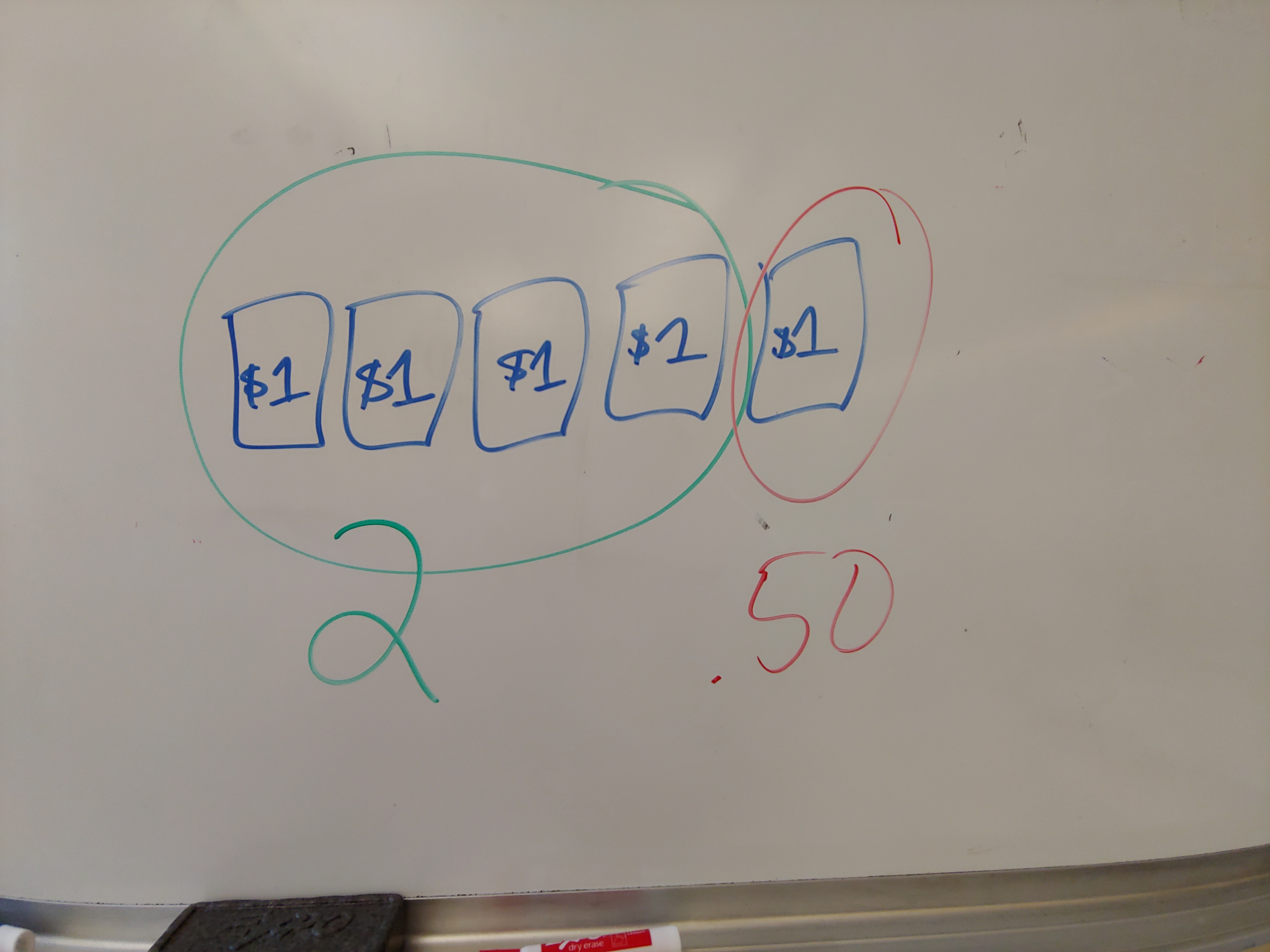
A widespread problem at the secondary level is addressing basic skills deficiencies – gaps from elementary school. For example, I often encounter students in algebra 1 or even higher level math who cannot compute problems like 5÷2. Often the challenges arise from learned helplessness developed over time. How do we address this in the time…
-
Juggling Gaps and New Content

In math, many students with special needs fall behind. What results is a Catch-22 in programming and services. If the student is provided extra time to work on the gaps, he or she likely falls behind with current content. If the student is provided extra time to receive support for current topics, the gaps are not…