instructional strategies
-
Sequence of Algebra 1 Videos
-
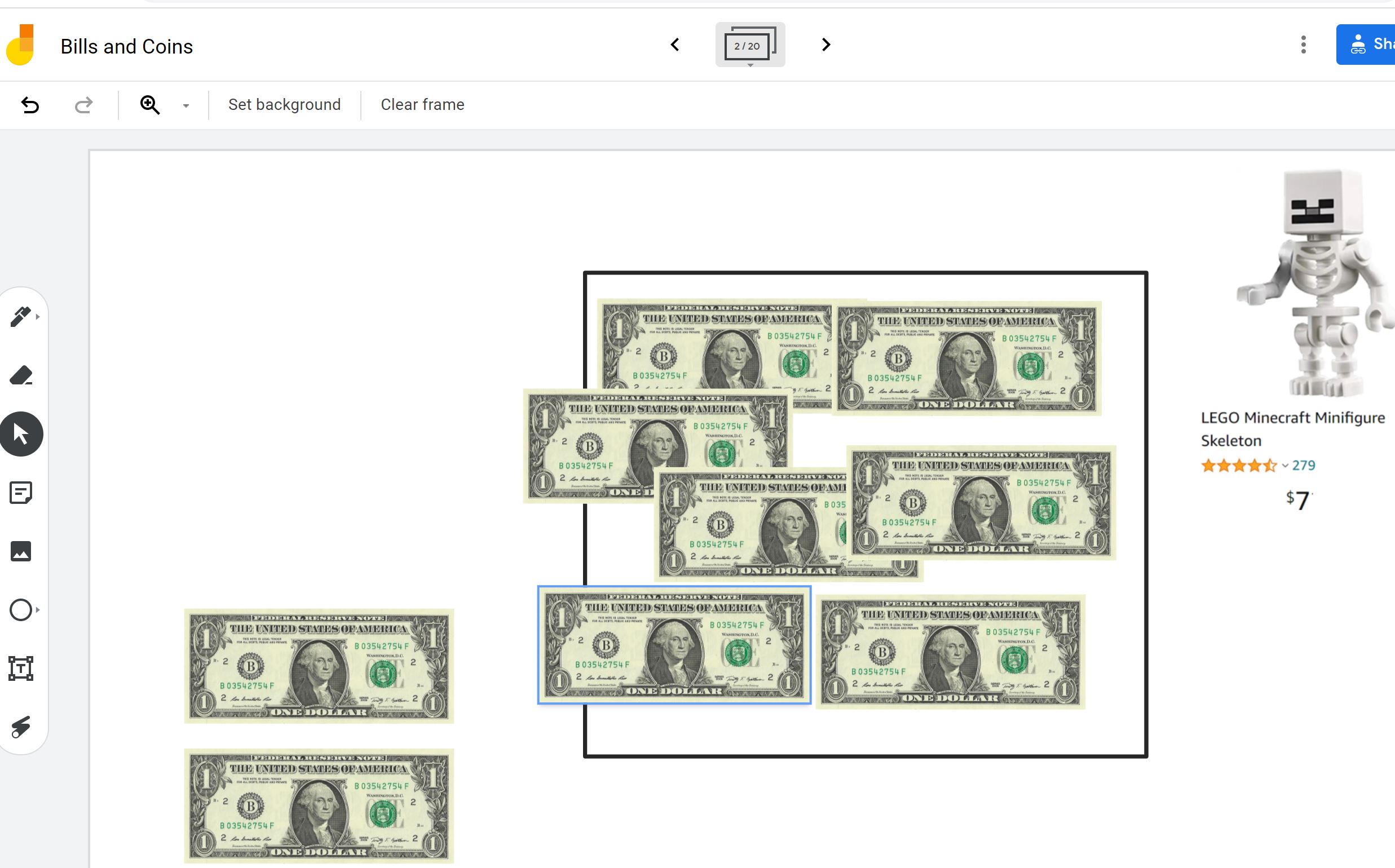
Counting Money – Jamboard
-
CCSS MATH Coherence Map – 3rd Grade Groups of Objects to HS Slope

A hidden treasure is the Common Core of State Standards Math Coherence Map. It is an interactive flow chart that shows connections between the various standards. If you are teaching math, you can see the connections between what you are teaching, what was taught previously, and how you are preparing students for their future math…
-
Multiplication Problems as Intro to Unit Rates and Slope (follow up)
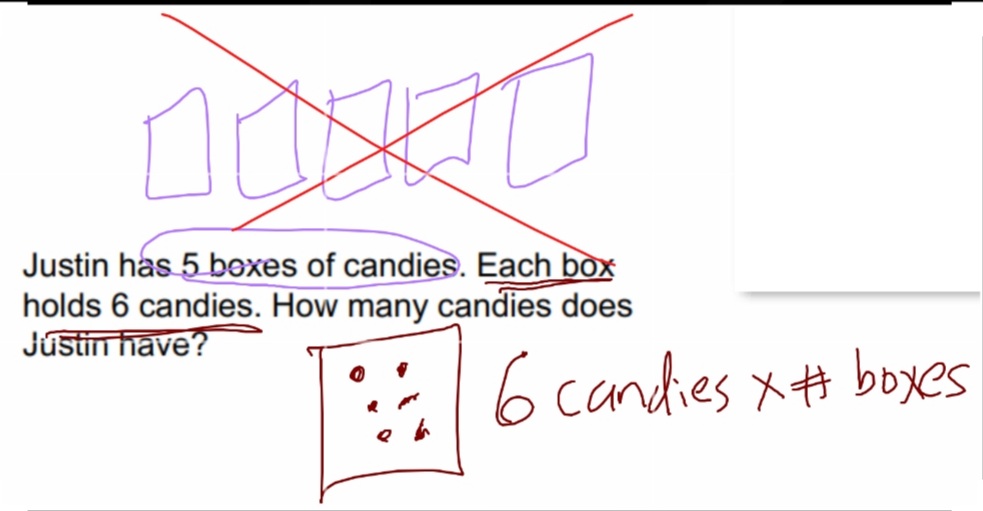
I previously related elementary school word problems with math topics in secondary schools. The photo below shows a method to help elementary school students unpack the multiplication problem, to help middle school students identify the unit rate, and to help algebra students identify slope (you can focus on simple problems like this as an entry…
-
Counting Money at the Store

-
Intro to Reading Scatterplots – Used Mustangs

One step in reading and analyzing scatterplots is simply identifying what the dots on the graph represent. If students do not understand the dots (including the position) how can they analyze. An approach I have used is start by having students create their own scatterplot for mileage and price of used cars they shop for…
-
Reading Scatterplots with Ford Mustangs
One step in reading and analyzing scatterplots is simply identifying what the dots on the graph represent. Students who do not understand the meaning of the points, including the position, will struggle to interpret the graph. This post outlines a Jamboard activity to support interpretation of the points. Overview I present the scatterplot of used…
-
Introduction to Linear Functions – Buying a Used Car

-
Monthly Budget Project

The images shown are excerpts from the latest iteration of a budget project I have used for years. The content addressed in this project can be used as stand alone activities and are relevant real life examples for our students. Even the younger students could benefit, e.g., learning addition by shopping for items online and…
-
Absolute Value is Absolutely not the Opposite
