Concrete-Representation-Abstract
-
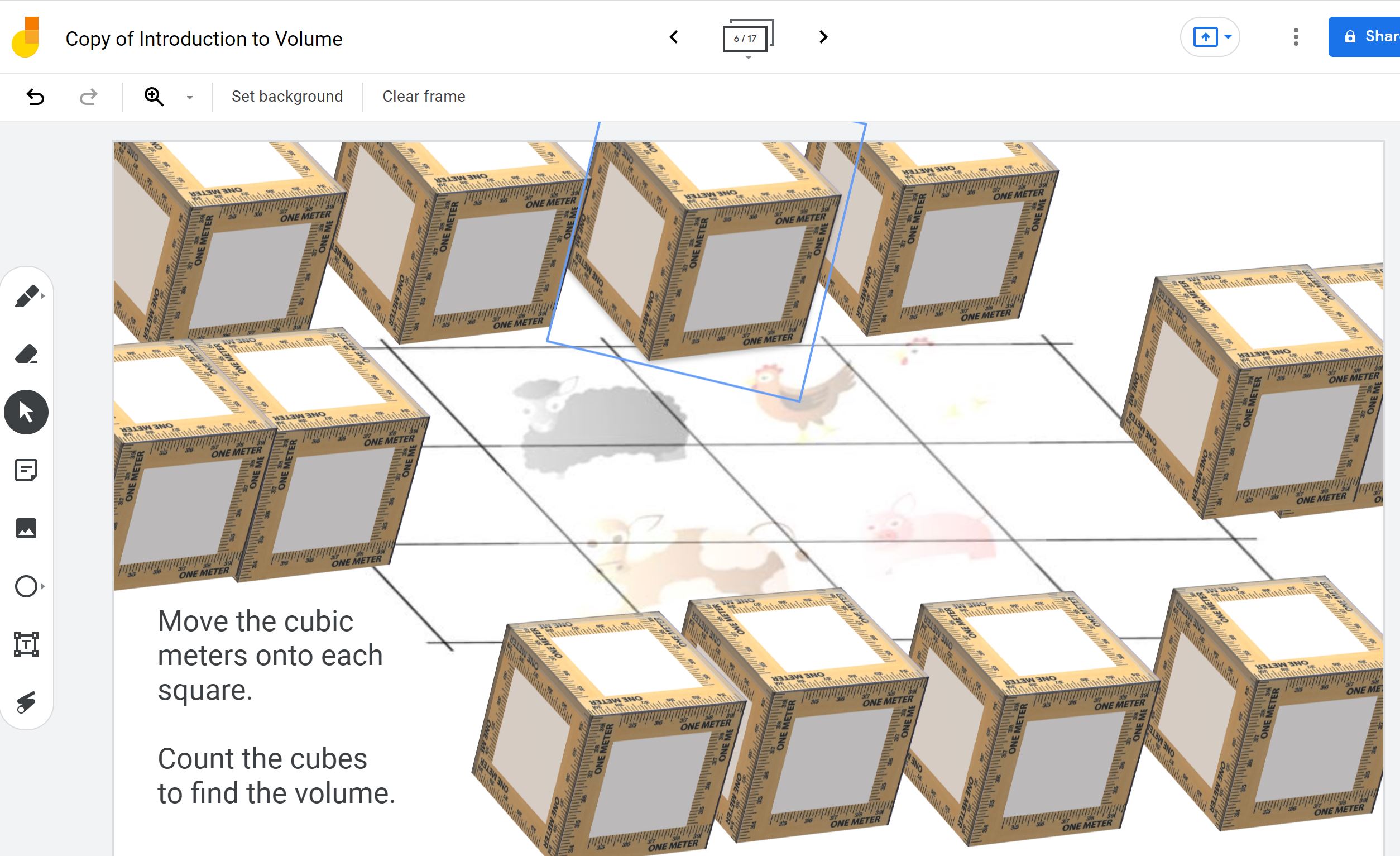
Introduction to Volume – Manipulatives (starting with perimeter and area)
-
Add vs Subtract Concepts – Kinesthetic Approach

In working with students who have fallen significantly behind in math, a common challenge is adding and subtracting. This can manifest in word problems or simple add and subtract problems. When this is the case, the first thing I check is whether the student understands conceptually what addition and subtraction are. Here is a Google…
-
Intro to Solving Equations – Seesaws and Oranges

-
Combining Like Terms – From Concrete to Symbolic Form

-
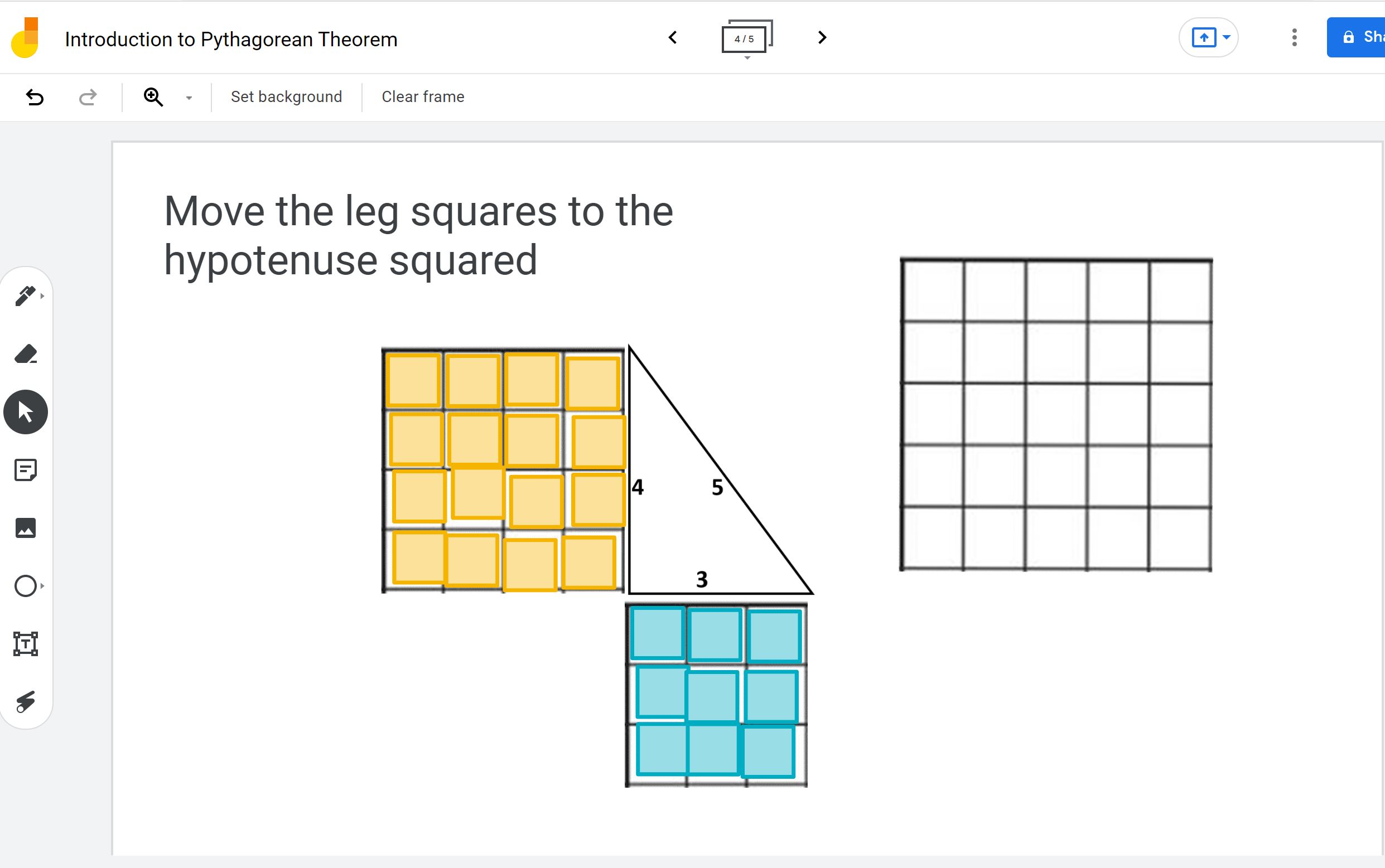
Introduction to Pythagorean Theorem
-
Introduction to Absolute Value – Distance from Home

-
Multi-step Word Problems – Create Groups of Items
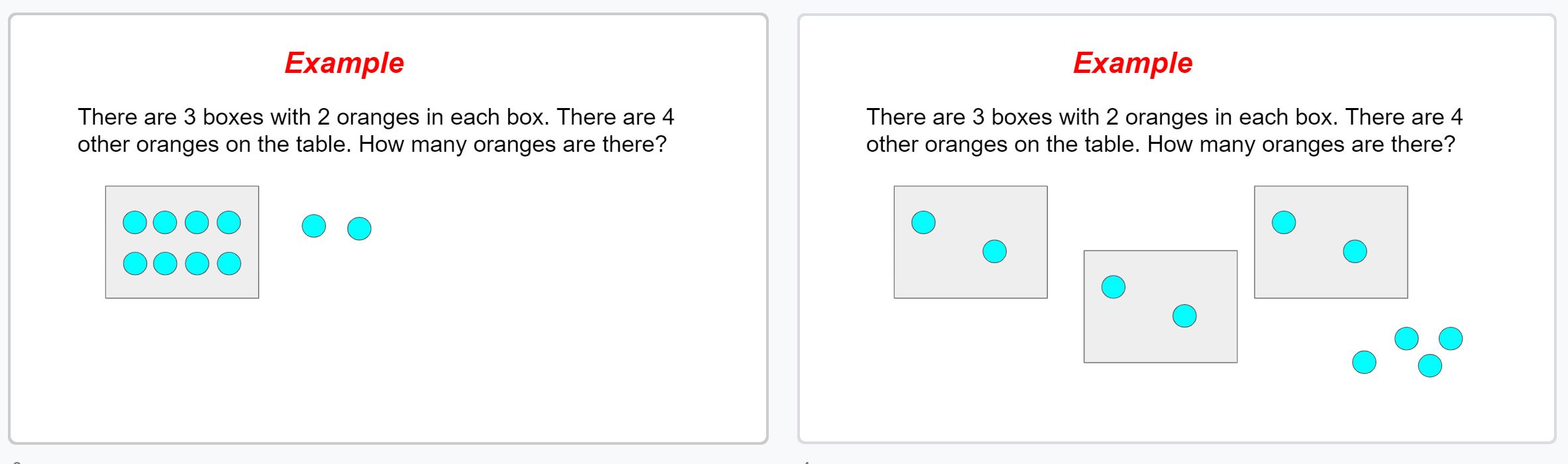
Here is a Google Slides file as a follow up to the Multiplication Word Problems Matching and Creating Groups post. Each slide has a multi-step word problem (multiplication and either addition or subtraction) that continues the use of the grouping approach. The boxes (for groups) and dots (for items) and dynamic and can be copied…
-
Matching Activity for Multiplication Word Problems (and Creating)

Here is a matching activity on a Google Slides file for various multiplication word problems and matching groups of items. The students use gallery view of the slides and sort them to match. Then they can change the background color with a different color for each word problem and groups. This allows them a visual…
-
Intro to Ratio Tables
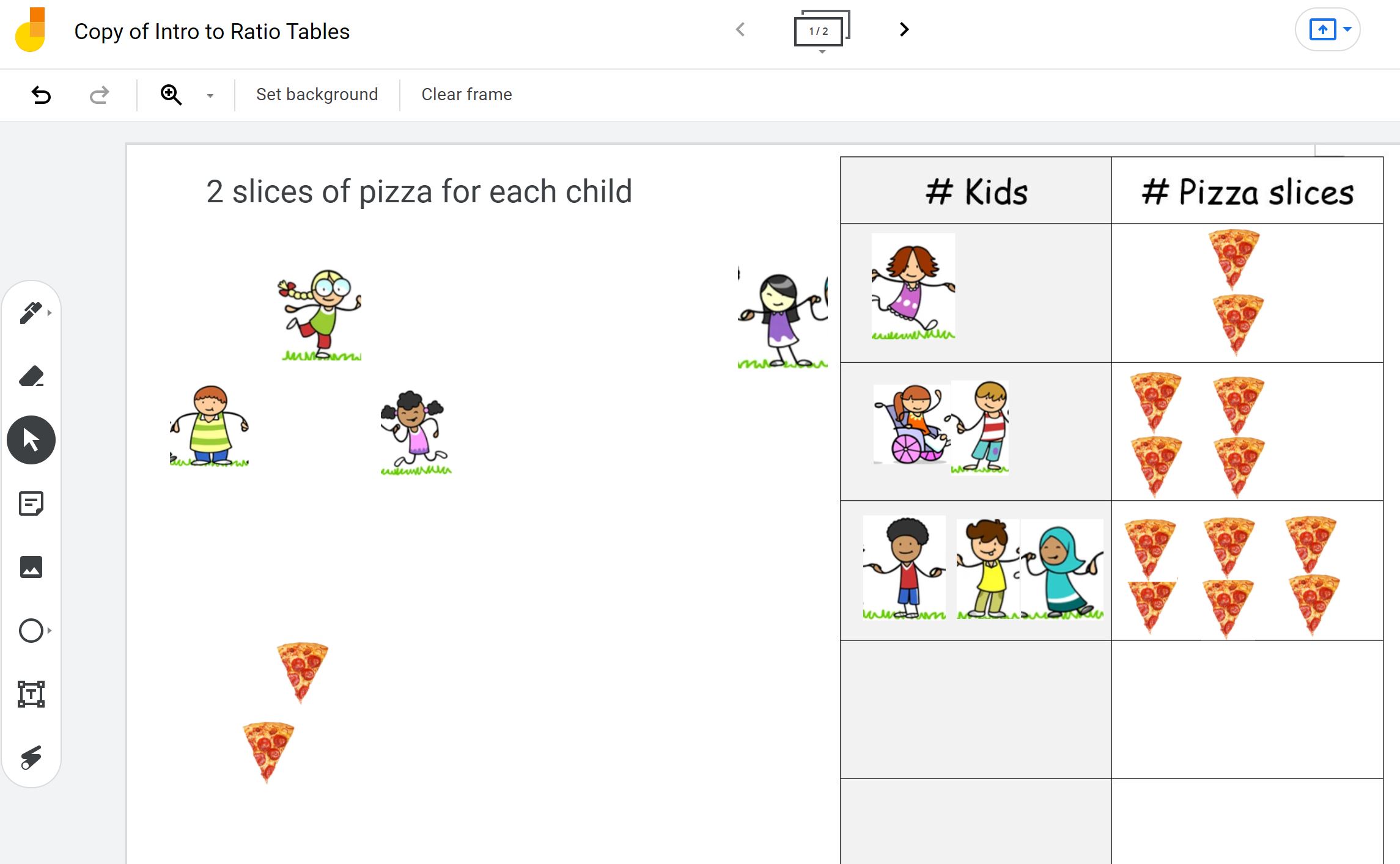
If you find this helpful, maybe consider making a small donation to help build an accessible playscape for children with disabilities. To introduce ratio tables, I draw upon a relevant prior knowledge for a child. Food, especially pizza is a go to context for me. Use a CRA approach by using manipulatives (concrete), pictures (representational),…
-
Group Model for Proportional Relationships and Slope Application

If you find this helpful, maybe consider making a small donation to help build an accessible playscape for children with disabilities. In my experience, many students struggle with translating word problems modeled by a proportional relationship or a linear function into a algebraic expression or equation. (Image below.) Here is a link to a Jamboard…