ADHD
-
Shopping Cart of Accommodations

Teachers have a thousand tasks to complete every day. Identifying and sharing accommodations is an important one that takes time. This blog post shows a resource that allows teachers to literally shop for accommodations like they shop for items on Amazon or Target. Overview Accomods is an online source of accommodations for special education and…
-
Multiplication by 2-Digit Factor – Scaffolded and Color-Coded
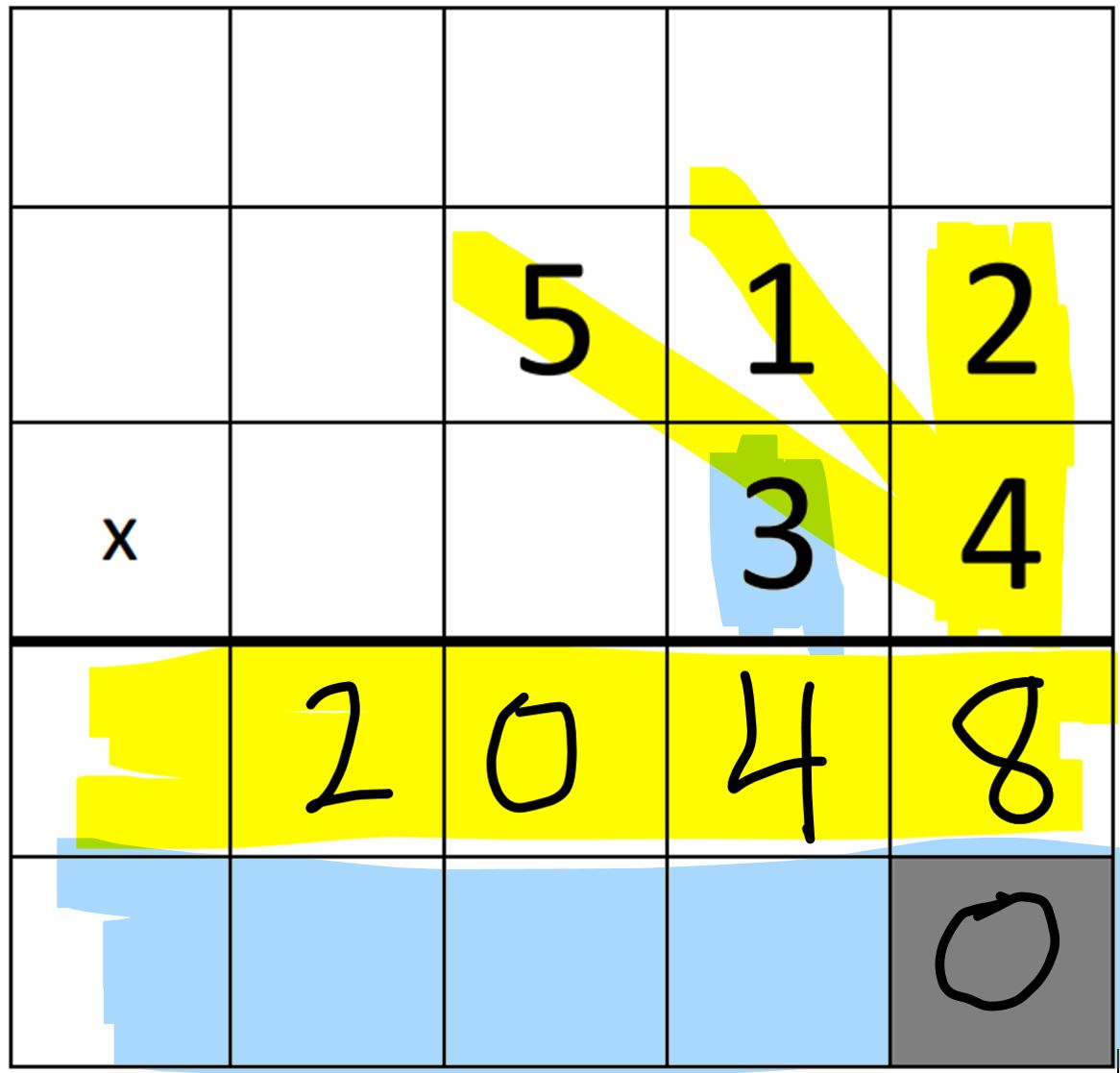
This post details a scaffolded approach for multiplying multi-digit numbers by 2-digit numbers. It was originally created for a student with ADHD who understood how to do the multiplication but would rush and repeatedly made simple mistakes. It is useful for all students. This grid and color-coding strategy was used as a means of slowing…
-
Classroom Management – Point Sheets

-
Information Processing Analogy – Big Picture
Effective instruction is effective because it addresses the key elements of how the brain processes information. I share an analogy to help adults (parents and educators) fully appreciate this. Information Processing Model Below is a model of information processing first introduced to me in a master’s course at UCONN. Here is a summary of what…
-
Long Term Effects of Disabilities
-
Token Sheet to Address Target Behaviors
Perhaps the vast majority of students with disabilities need support with math. Their challenges with math can be directly related to their disability or can be the result the effects of an ongoing struggle with math. The later results in what is termed secondary characteristics. When I work with students with a disability, I first…
-
Making Sense of Fractions – Regrouping with Mixed Numbers
It is easy to get caught up in the steps and rote memorization when working with fractions. The brain processes information more effectively when the information is meaningful. ADHD makes paying attention to rote memorization of steps even more challenging. Below is an excerpt of work I completed with a middle school student who has…
-
Twice Exceptional and Neurodiversity

In his 1992 trip to Australia, President HW Bush gave the backwards V for victory sign. That happens to be the middle finger in Australia. This story parallels what we encounter in special education. Several people may encounter the same idea, image, curriculum objective, lesson etc. but have a totally different perspective (see photo below).…
-
Performance vs Ability
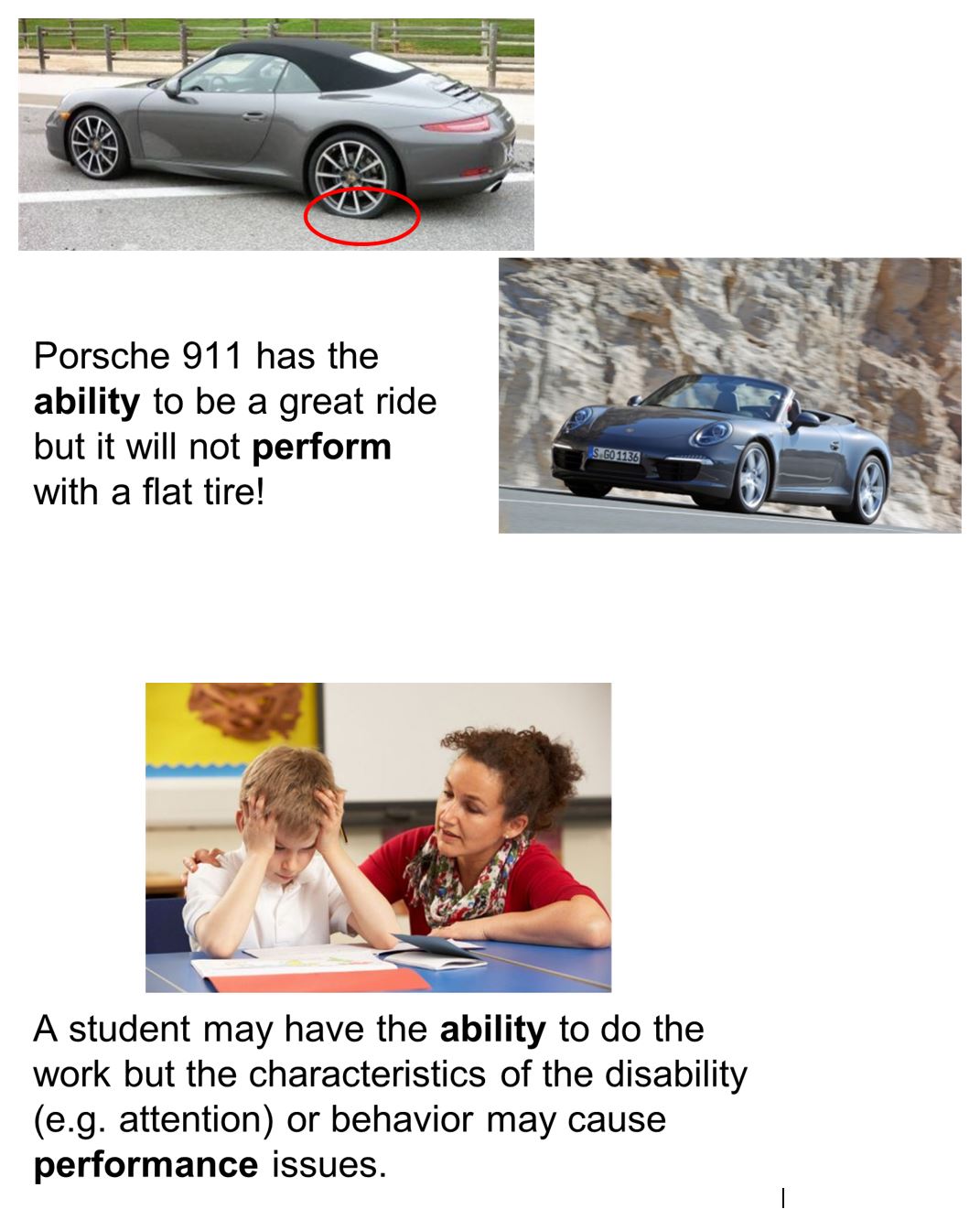
In the effort to assess student ability performance factors are likely present. It is incumbent upon the educators to mitigate the performance issues to assess true ability. For example, I conducted an evaluation on a student in middle school who has ADHD. All of her testing records indicated that she would lose focus during the…